
 EN
EN
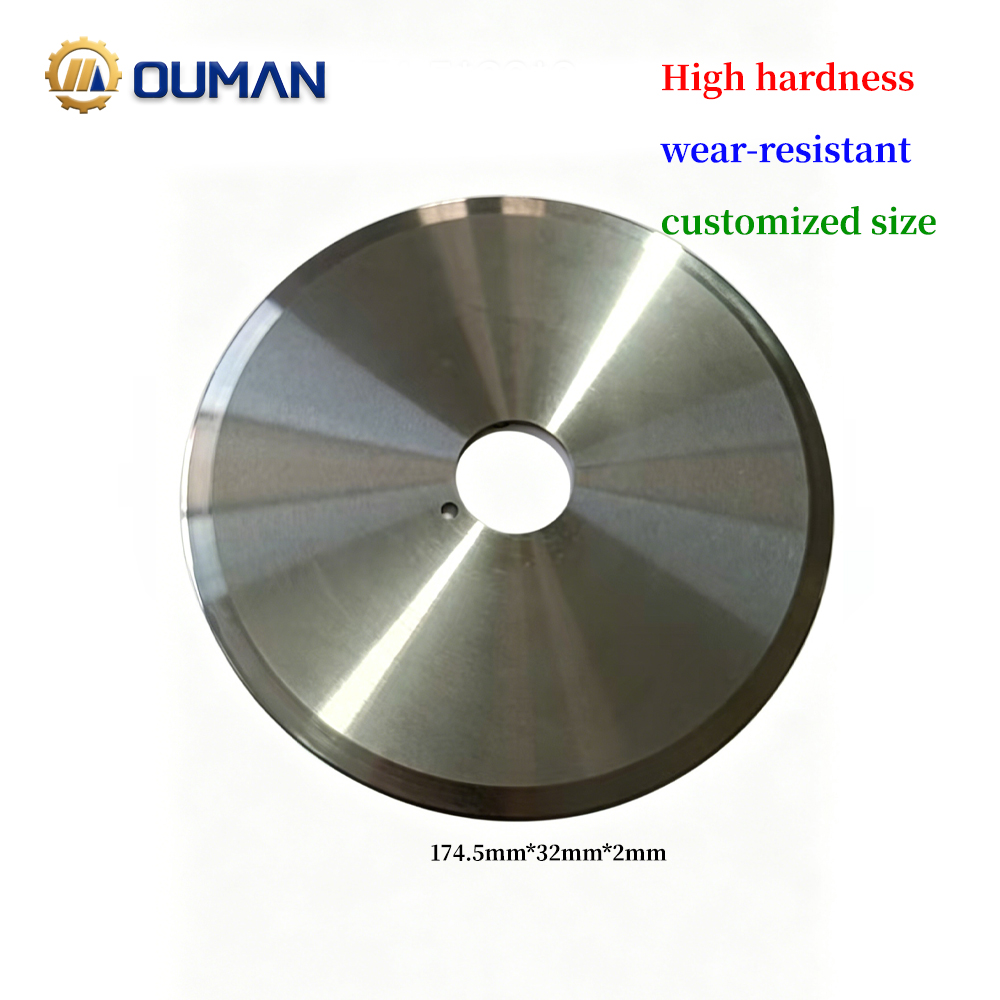
Rust and corrosion are among the primary causes of premature failure in industrial machine knives. Moisture, aggressive cleaning agents, high humidity, and organic acids can rapidly degrade high-performance blade alloys, resulting in dull cutting edges, surface pitting, and unexpected downtime.
Protecting machine knives from corrosion requires a combination of appropriate alloy selection, specialized protective coatings, controlled storage environments, and structured maintenance protocols.
1. Material Selection: Matching Alloys to Operating Environments
The primary line of defense against corrosion begins with choosing the correct steel grade for specific operating conditions.
Industrial Cutting Alloys Overview
-
Martensitic Stainless Steel: Features high chromium content and moderate to high hardness. Ideal for food processing and wet cutting environments. Offers high corrosion resistance.
-
High-Speed Steel (HSS): Features excellent red hardness and exceptional edge retention. Ideal for paper slitting, film converting, and packaging. Offers moderate corrosion resistance (requires surface protection).
-
Tungsten Carbide: Features extreme hardness and superior wear resistance. Ideal for abrasive materials and high-speed slitting. Offers high corrosion resistance, though sensitive to chemical binder leaching.
-
Tool Steel (such as D2): Features high carbon, high chromium, and excellent toughness. Ideal for heavy-duty shear blades and recycling. Offers moderate to low corrosion resistance.
2. Surface Treatments and Engineering Coatings
Applying physical vapor deposition coatings or specialized surface treatments creates a barrier that isolates the base steel from corrosive agents and moisture.
-
Titanium Nitride Coating: Creates a hard, golden barrier layer that enhances surface lubricity, reduces friction, and shields against oxidative corrosion.
-
Chromium Nitride Coating: Offers superior resistance to chemical attack and high temperatures, making it suitable for aggressive processing environments.
-
Nickel Plating: Provides a uniform protective layer with excellent resistance to water and mild acids, commonly applied to non-cutting blade bodies.
-
Food-Safe Passivation: Chemical treatment for stainless steel blades that removes free iron from the surface, enhancing the natural chromium oxide passive layer.
3. Storage and Environmental Control
Improper storage during machine downtime or between sharpening cycles is a major cause of blade rust.
Storage Environmental Standards
-
Relative Humidity: Maintain storage area relative humidity below 50%. Use industrial dehumidifiers in high-humidity or coastal manufacturing facilities.
-
Temperature Control: Keep storage temperatures stable to prevent condensation from forming on cool metal surfaces.
Best Practices for Storing Machine Knives
-
Clean and Dry Thoroughly: Ensure blades are free from organic residues, oils, and moisture before placing them into storage.
-
Apply Protective Inhibitors: Coat non-food contact blades with a light layer of industrial anti-rust oil. For food contact equipment, apply food-grade mineral oil or approved protective fluids.
-
Prevent Metal-to-Metal Contact: Store blades in specialized wooden boxes, plastic sleeves, or padded racks to prevent physical scratching, which compromises protective coatings.
-
Use Vapor Corrosion Inhibitor Packaging: Wrap blades in specialized paper or bags containing volatile rust inhibitors for long-term storage.
4. Cleaning Protocols and Chemical Care
Improper cleaning procedures can strip protective coatings and accelerate rusting.
-
Avoid Harsh Chlorine Compounds: Chlorine and bleach-based cleaners severely pit stainless steel and tool steels. Use pH-neutral or mild alkaline cleaning agents.
-
Immediate Drying: After washdown cycles, dry blades using compressed air or clean absorbent cloths to eliminate standing water in bolt holes and recessed edges.
-
Inspect Water Quality: Hard water or water containing dissolved minerals can leave deposits that trap moisture against the steel surface, initiating localized pitting corrosion.
5. Routine Inspection and Early Intervention
Regular visual and performance checks help maintenance personnel identify and remediate surface corrosion before structural degradation occurs.
-
Weekly Visual Audits: Inspect cutting edges, mounting holes, and blade bodies for micro-pitting, brown discoloration, or surface roughness.
-
Early Rust Removal: Remove light surface rust immediately using mild, non-abrasive industrial rust removers and soft polishing pads. Avoid heavy grinding, which alters blade geometry.
-
Monitor Performance Loss: A rapid loss of cutting precision or unexpected edge chipping often indicates micro-corrosion along the microscopic cutting edge.