 EN
EN
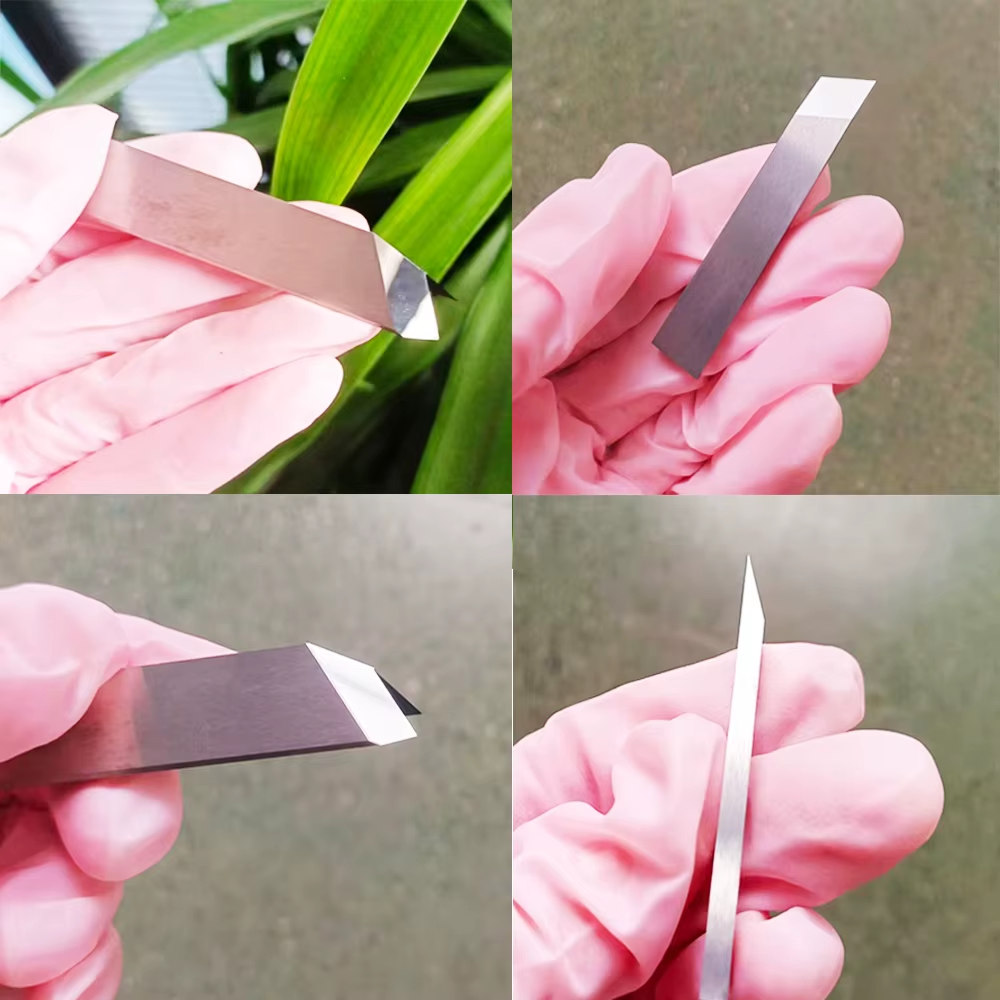
Running a high-volume recycling plant or processing facility means dealing with a massive headache: unpredictable material streams. One hour the machines are chewing through soft household plastics, and the next, they are grinding dense electronic scrap or rugged rubber tires. Trying to use a generic, one-size-fits-all set of cutters for every single application is a fast track to broken equipment and spiked maintenance budgets. The short answer is yes, specialized shredder blades can and absolutely should be customized to match the unique mechanical traits of different materials. Tailoring the blade profile, thickness, and underlying metallurgy turns a struggling recycling line into a highly efficient, smooth-running profit center while protecting the heavy machinery down the line.
Balancing Hardness and Toughness Under Huge Stress
To understand why customized industrial knives matter, it helps to look at how different metal alloys behave under extreme structural stress. Industrial shredding requires a constant, delicate engineering balancing act between wear resistance and impact toughness. If a knife is hardened too much to resist scratching from abrasive fiberglass, it becomes brittle and will likely snap the moment a stray piece of steel tramp metal hits the cutting chamber. Customizing the tool steel selection guarantees the ideal mechanical property match for the target waste stream, dramatically extending running time between sharpenings.

The table below breaks down how specific alloy selections directly align with distinct industrial waste applications:
| Material to Shred | Recommended Tool Steel Grade | Primary Blade Feature | Expected Operational Benefit |
| Soft Plastics & Films | D2 / Cr12MoV | High Carbon, Razor Edge | Clean shearing, zero material melting |
| Scrap Tyres & Heavy Rubber | H13 / Shock-Resistant Alloy | Extreme Structural Toughness | High impact resistance against steel wires |
| E-Waste & Heavy Metal Scrap | Modified Premium Die Steel | Maximum Core Hardness | Resistance to chipping under high torque |
| Abrasive Fiberglass & Wood | High-Chromium Tool Steel | Advanced Wear Resistance | Holds critical cutting edge against micro-abrasion |
Real Lessons From a Tire Recycling Overhaul
A clear example of this impact involves a regional tire recycling facility that struggled with staggering operating costs. The plant used standard D2 steel knives to process heavy commercial truck tires. While the knives held a sharp edge at first, the high-tensile steel belts hidden inside the tires caused the brittle cutting edges to chip heavily within three weeks. Each failure meant a total line shutdown, hours of dangerous maintenance, and a massive drop in weekly output. The facility solved the problem by replacing the generic setup with customized shredder blades forged from a specialized shock-resistant alloy, paired with a modified hook geometry. This single structural tweak pushed the blade lifespan from three weeks to over four months, completely rewriting the plant’s profitability.
What Industrial Metallurgists and Standards Say About Wear
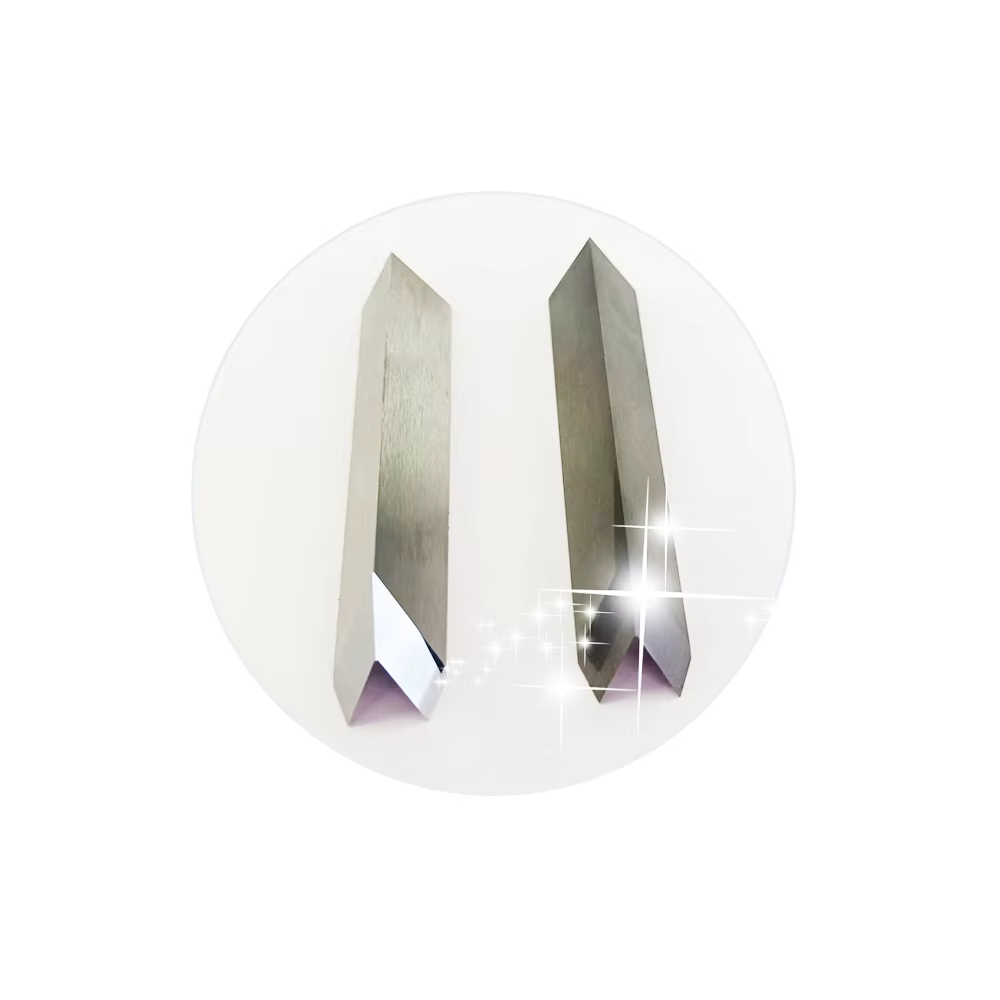
Industrial knife manufacturing is backed by rigorous material science and international benchmarks, such as ASTM tool steel specifications. Leading metallurgy experts point out that material degradation happens in very predictable ways based on the feedstock. For example, processing soft polymers creates friction that requires specific rake angles to prevent material welding and heat buildup. Conversely, shredding municipal solid waste demands high-strength alloys that resist both chemical corrosion from organic matter and heavy physical impact. Custom tailoring ensures that the knife edge maintains its cutting clearance over millions of cycles, reducing the motor torque required and cutting overall factory electricity consumption.
The Financial Logic Behind Specialized Cutting Tools
Procurement managers sometimes hesitate at the initial price tag of custom-engineered cutting tools compared to mass-produced, off-the-shelf alternatives. However, looking only at the upfront cost is a classic operational trap. When evaluating the total cost of ownership, the math favors specialization every single time. Customized knives reduce the production of unwanted fines and dust, which means a higher yield of premium, uniform granules. Furthermore, reducing the mechanical stress on the shredder shafts and gearboxes prevents catastrophic structural failures that can cost tens of thousands of dollars to fix, making custom components a smart insurance policy for the entire facility.
Securing Heavy Industrial Infrastructure with Advanced Manufacturing
Achieving this level of industrial precision requires a deeply experienced manufacturing partner with a highly responsive global supply chain. Ouman meets this critical market demand by running advanced production facilities focused entirely on custom industrial knife fabrication. From precision CNC machining to state-of-the-art vacuum heat treatment facilities, Ouman manages the entire manufacturing cycle under rigorous quality controls that align with global engineering expectations. This deep manufacturing capability ensures that recycling facilities worldwide receive durable, tailored shredder blades engineered for their specific materials, keeping heavy operations moving safely, efficiently, and without unexpected logistics delays.