
 EN
EN
The Hidden Costs of Improper Sanitation Routines
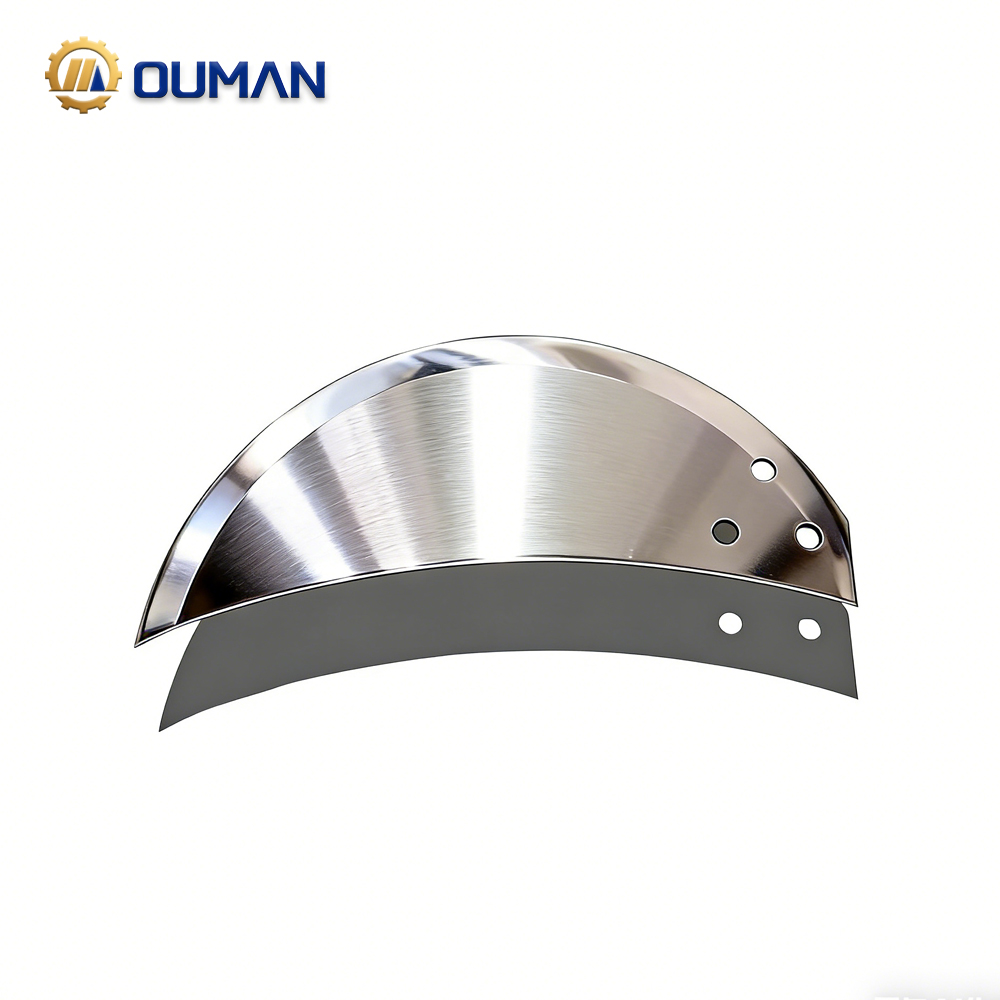
In high-volume commercial kitchens and large-scale industrial manufacturing facilities, maintaining clean equipment is a fundamental operational necessity. Slicing, dicing, and portioning machinery run continuously, dealing with everything from fibrous vegetables to high-fat proteins. When a cleaning crew rushes through their nightly sanitation, a microscopic layer of organic residue is often left behind. This biofilm does not just create a breeding ground for dangerous pathogens; it initiates subtle chemical reactions that degrade the structural integrity of premium food processing blades. Establishing a highly disciplined, scientifically backed daily sanitization protocol is the most effective way to eliminate microbiological risks, prevent premature edge dulling, and maintain consistent portion quality across every single shift.
The Balancing Act of Chemistry and Industrial Metallurgy
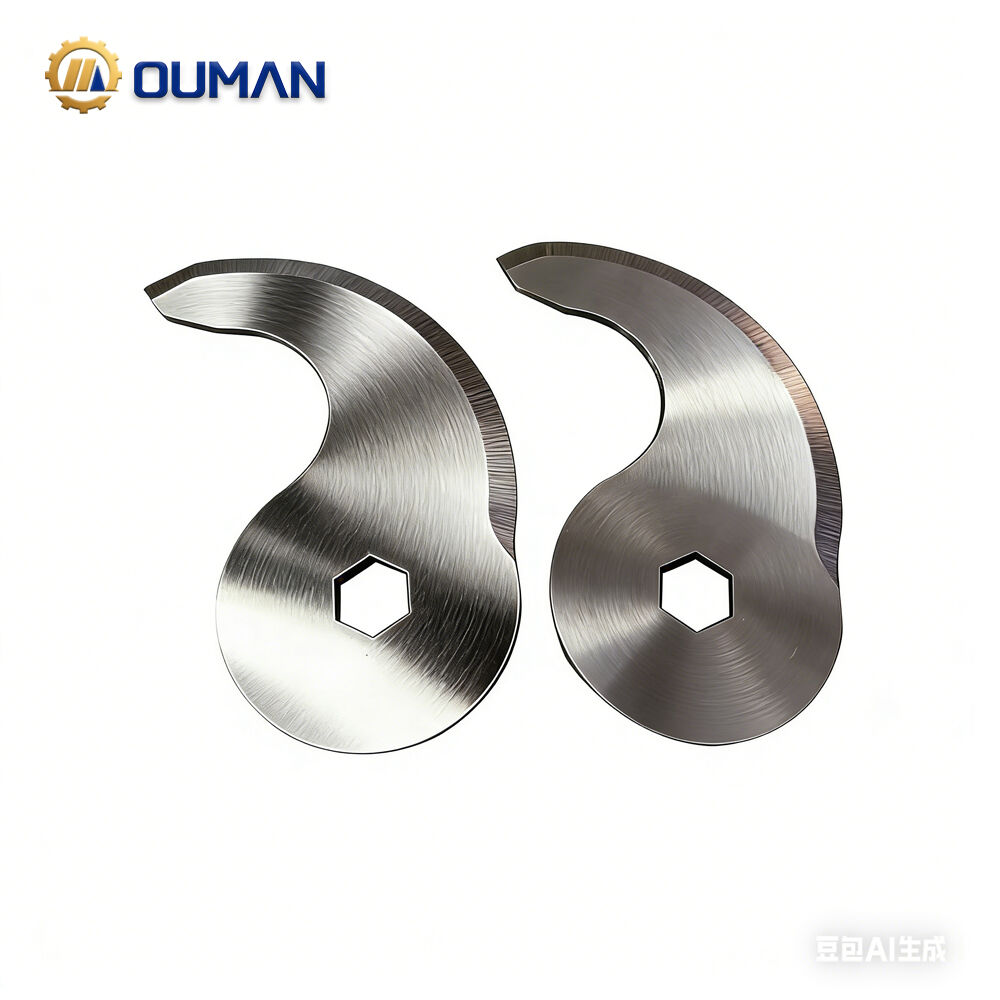
Selecting the right chemical cleaners requires a deep understanding of material science, as industrial cutting tools are not indestructible. Most precision cutting tools are forged from specialized stainless steel alloys, such as martensitic 420 or 440C grades, which offer an exceptional balance of wear resistance and edge retention. However, these high-carbon alloys are vulnerable to harsh chemicals. Utilizing aggressive chlorine-based sanitizers or highly acidic compounds strips away the passive chromium oxide layer that protects the steel from rusting. This chemical breakdown leads to microscopic pitting along the cutting edge, which ruins the sharpness and forces the line to stop for an unscheduled tool change.
The reference table below outlines the ideal daily cleaning sequence to protect both food safety and equipment longevity:
| Operational Step | Action Required | Targeted Parameter | Technical Purpose |
| Gross Debris Removal | Manual scraping and low-pressure water rinse | Water temperature under 45°C | Prevents protein baking and structural adherence |
| Detergent Application | Foam spray with alkaline or enzyme-based cleaners | pH range between 8.0 and 10.5 | Breaks down stubborn organic fats and oils |
| Mechanical Scrubbing | Soft nylon bristle brushing along the cutting edge | Avoid abrasive metal pads | Removes biofilms without scratching the polished finish |
| Sanitization Fogging | Application of peracetic acid (PAA) or quat-based sprays | Contact time of 5 to 10 minutes | Destroys bacteria without causing pitting corrosion |
Lessons From a High-Volume Meat Packing Facility
A practical example of how maintenance impacts profitability comes from a regional poultry processing facility that suddenly noticed their slicing lines were dulling twice as fast as normal. The production managers assumed they had received a bad batch of replacement steel. However, a detailed engineering audit revealed that the night shift cleanup crew had started using a highly concentrated chlorinated cleaner at elevated temperatures to speed up their work. This aggressive cleaning routine caused microscopic chemical erosion along the cutting edges. Once the plant switched to a specialized enzyme-based foam cleaner combined with a low-pressure rinse, the lifespan of their food processing blades instantly doubled, saving the facility thousands of dollars in monthly replacement costs.
What Global Food Safety Experts and Engineering Standards Mandate
International regulatory compliance organizations like the FDA, NSF, and the European Hygienic Engineering & Design Group (EHEDG) state that equipment design and cleaning protocols must prevent product contamination. Experts emphasize that water temperature control during the initial rise is completely non-negotiable. Using water hotter than 45°C during the first stage actually coagulates proteins, baking them firmly onto the metal surface like glue. Once baked on, these residues require aggressive scrubbing that can damage the polished finishes. Sticking to validated temperature windows ensures that organic waste dissolves smoothly, keeping the line fully compliant with global food hygiene standards.
The Financial Advantages of Standardized Daily Care
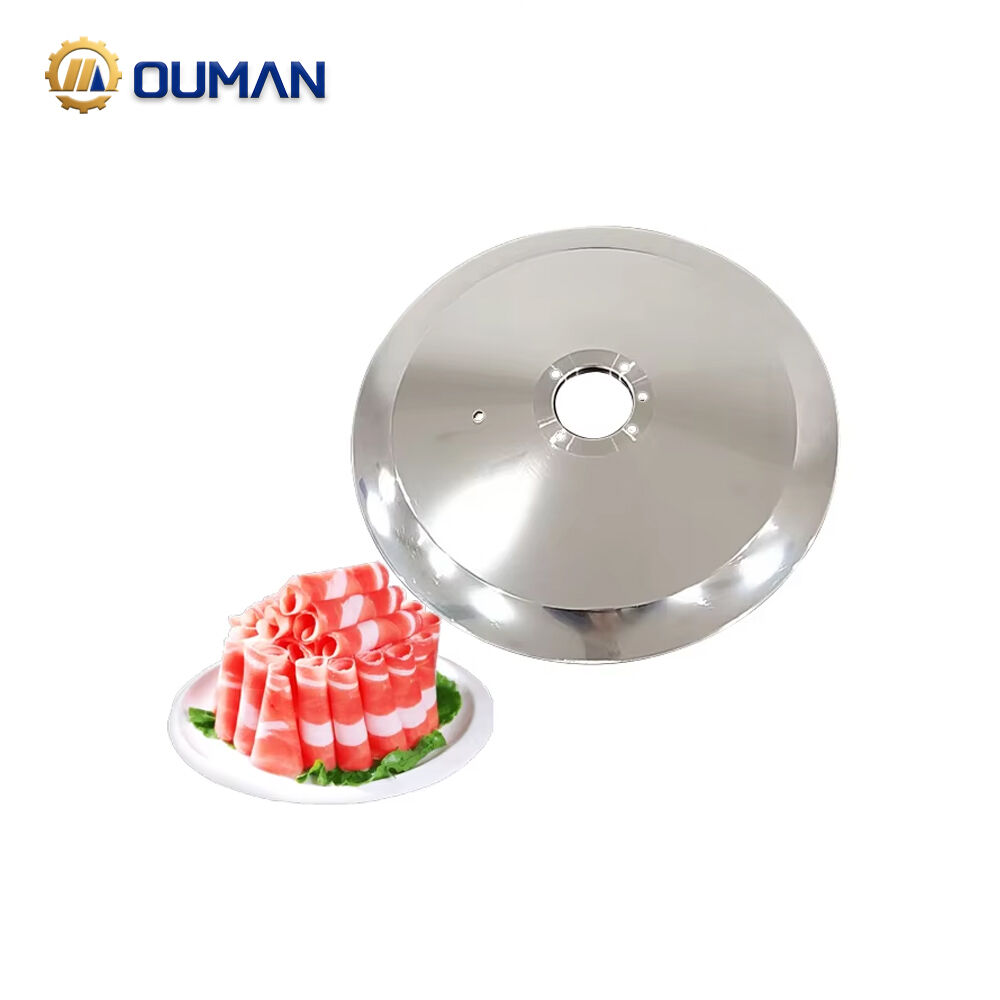
Procurement teams and facility directors often look at industrial cutting tools as simple consumables, but their daily management heavily influences the factory bottom line. When blades are cleaned properly without causing chemical corrosion, they retain their keen edges for significantly longer production cycles. This extended sharpness means cleaner product cuts, a drastic reduction in product giveaway due to ragged tearing, and far less mechanical strain on the electric motors driving the assembly lines. Turning a chaotic cleanup routine into a standardized, checklist-driven operational process protects the initial machinery investment and creates a predictable budget profile.
Achieving Global Precision with Advanced Cutting Engineering
Maintaining high production throughput requires cutting components built to the absolute highest metallurgical standards. Ouman addresses this critical commercial demand by manufacturing premium-grade cutting solutions engineered specifically for the demanding hygienic standards of the global food industry. Utilizing state-of-the-art CNC grinding technology, precision heat treatment ovens, and specialized ultra-smooth surface finishes, Ouman monitors every step of the fabrication process under strict quality controls. This specialized manufacturing expertise and stable supply chain capability ensure that food processors worldwide receive highly durable, corrosion-resistant components that stay sharp longer, wash clean faster, and keep processing operations running smoothly.