
 EN
EN

The Critical Intersections of Food Safety and Industrial Cutting
Operating a profitable automated food manufacturing facility requires managing tight production deadlines while strictly adhering to public health regulations. In large-scale slicing, chopping, and portioning lines, every machine component that makes direct contact with ingredients undergoes intense scrutiny. Among these components, industrial cutting setups carry the highest risk of cross-contamination. Sourcing certified food processing blades is not merely a legal checkbox; it is a foundational operational defense. If a cutting tool reacts with food acids or transfers microscopic metallic particulates into the production line, a brand risks devastating product recalls, legal liability, and ruined consumer trust. Understanding what makes a cutting edge compliant ensures both regulatory safety and long-term mechanical reliability.
The Materials Science Behind Food-Contact Approval
The United States Food and Drug Administration (FDA) does not certify specific blade brands; instead, it regulates the exact chemical composition of materials allowed to contact food. According to CFR Title 21 guidelines, metals used in these environments must be highly resistant to corrosion, non-absorbent, and entirely non-toxic. For precision slicing, martensitic stainless steels like 420 and 440C grades are widely utilized because they can be heat-treated to high hardness levels, allowing them to hold a keen edge during continuous shifts. For high-acid environments, such as citrus or tomato processing, austenitic grades like 316 stainless steel are preferred due to increased molybdenum content, which prevents pitting corrosion from aggressive organic acids.
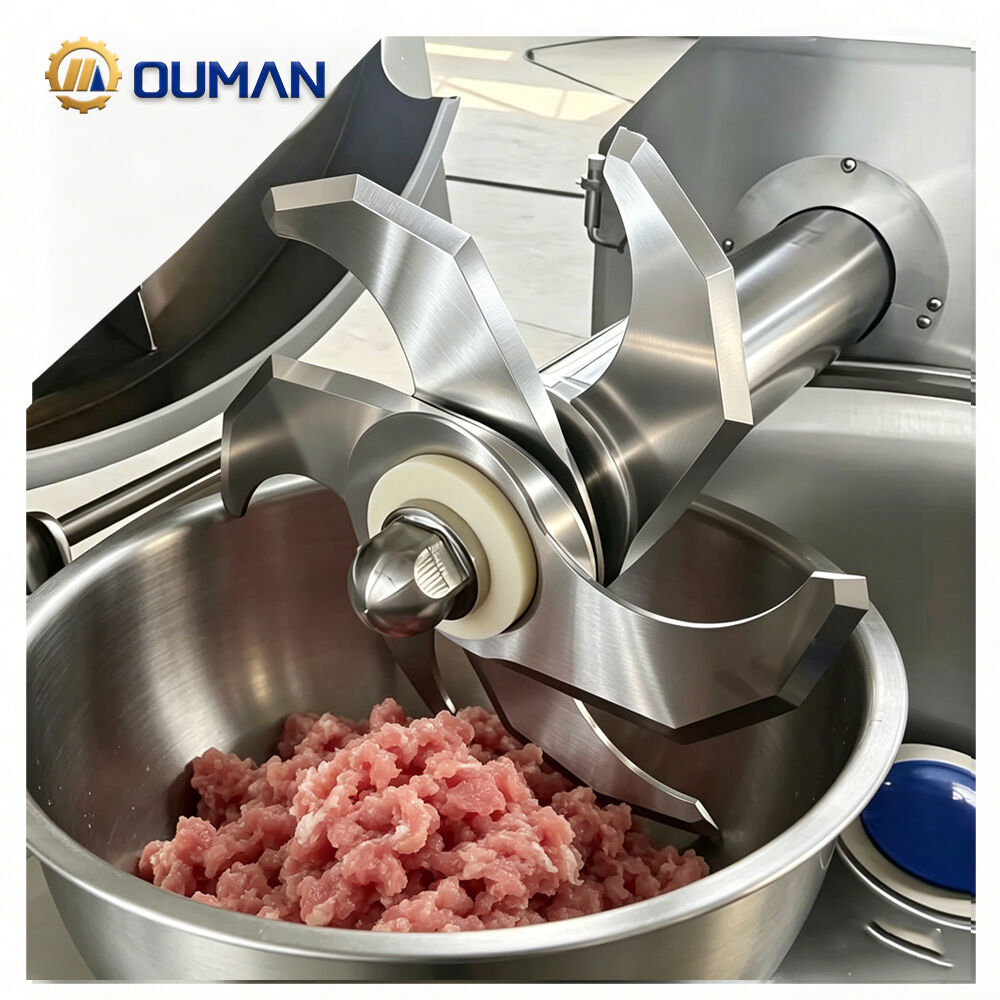
The technical breakdown below details the compliance profiles of primary materials used in commercial cutting applications:
| Material Type | Technical Composition | Food Compatibility | FDA Compliance Standard |
| 420 Martensitic Steel | High carbon, 12% - 14% Chromium | Meats, poultry, dense vegetables | FDA CFR 21 GRAS / NSF 51 |
| 316 Austenitic Steel | Low carbon, 16% Chromium, 2% Moly | Citrus fruits, brines, high-salt sauces | FDA CFR 21 Section 178.3910 |
| Food-Grade Tungsten | Sub-micron carbide matrix | Frozen block processing, high-volume milling | NSF/ANSI Standard 51 Materials |
| PTFE Coated Alloys | Fluoropolymer dry-film surface | Sticky confectionery, cheeses, soft doughs | FDA 21 CFR Section 177.1550 |
Resolving Coating Failures in a Commercial Bakery Line
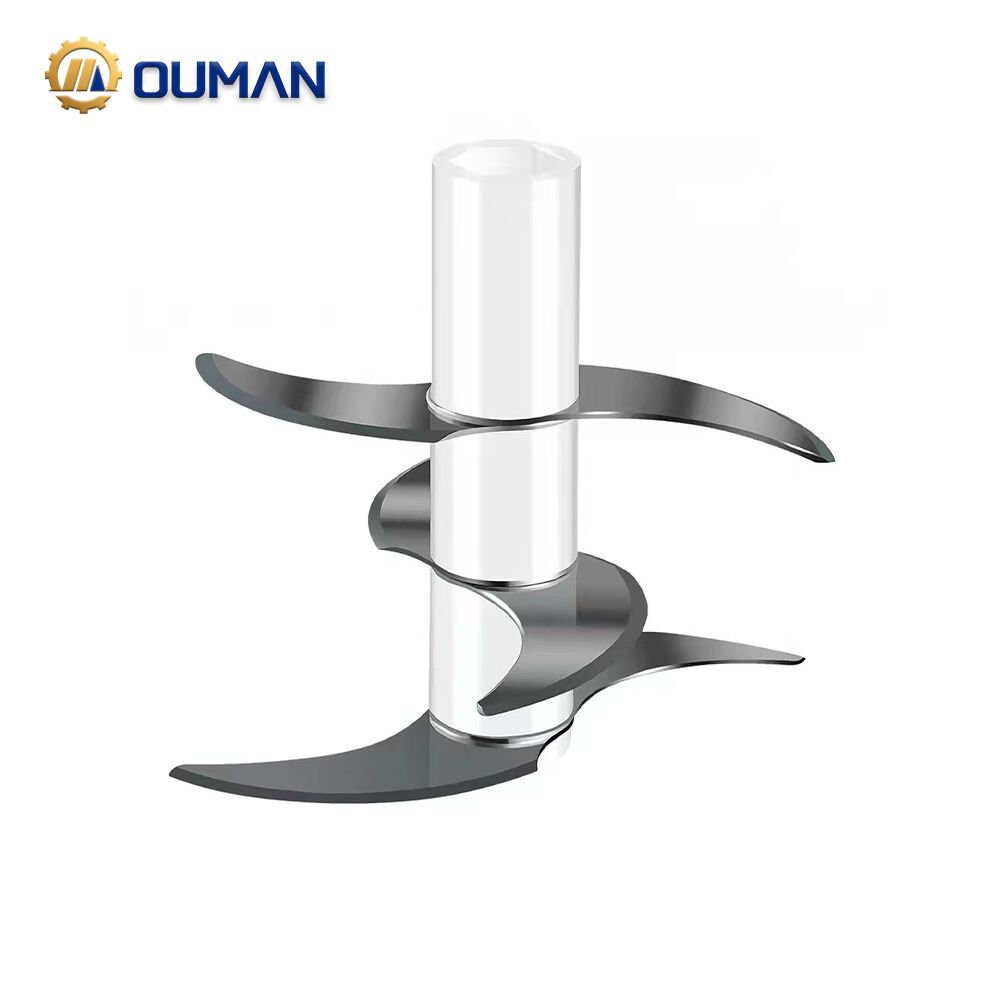
A powerful real-world example of compliance verification occurred at a commercial pastry facility that automated its high-volume dough dividing lines. To prevent sticky dough from adhering to the cutting edges, the engineering team originally purchased cheap aftermarket blades coated with a generic non-stick film. Within three weeks of continuous multi-shift operations, the friction of the dense dough caused the black coating to flake off into the product stream, forcing an immediate operational shutdown and the disposal of twelve tons of prepared dough. The facility resolved this crisis by swapping the unverified hardware with passivated, high-polished 420 stainless steel food processing blades backed by certified material traceability logs. The un-coated, ultra-smooth surfaces eliminated the sticking problem mechanically without adding any chemical contamination risks.
The Role of Surface Roughness and Microscopic Cleanability
Material chemistry is only half of the regulatory puzzle; surface morphology determines whether a cutting component can be safely sanitized during daily washdowns. International hygienic standards, including guidelines from the European Hygienic Engineering & Design Group (EHEDG) and 3-A Sanitary Standards, dictate that food-contact metals must feature an ultra-smooth surface finish, typically measured at a Roughness Average ($R_a$) of less than $0.8\ \mu\text{m}$. If a blade possesses microscopic grinding marks or deep surface scores, organic matter and cleaning chemical residues become trapped in those valleys. Over time, these micro-crevices protect bacterial biofilms from sanitizing foams, transforming a vital cutting tool into a constant contamination vector.
Proactive Procurement Strategies for Regulatory Verification
Procurement departments must look past generic vendor promises of food safety and demand verifiable material documentation during the sourcing cycle. A reliable manufacturing supplier should provide complete Mill Test Reports (MTRs) detailing the exact chemical composition of the steel batch used to forge the tools. Furthermore, if surface coatings or specialized dry lubricants are applied to minimize friction, the supplier must present corresponding FDA compliance certificates for those specific chemical formulations, such as 21 CFR 177.1550 for fluoropolymers. Gathering this paperwork upfront shields manufacturing operations from unexpected audit failures and ensures complete operational transparency.
Engineering Elite Food-Contact Solutions for Global Supply Chains
Maintaining a flawless, compliant food manufacturing operation requires cutting tools manufactured to the tightest material tolerances. Ouman addresses this critical global industry requirement by fabricating premium-grade cutting solutions engineered to meet international food safety benchmarks. Utilizing advanced automated CNC grinding centers, precision vacuum heat-treatment systems, and rigorous surface polishing processes, Ouman ensures that every component delivers exceptional wear resistance alongside an ultra-clean, low-roughness finish. This end-to-end manufacturing control and robust material supply chain enable global food processors to secure dependable, fully documented cutting tools that optimize processing throughput while protecting consumer safety.