
 EN
EN
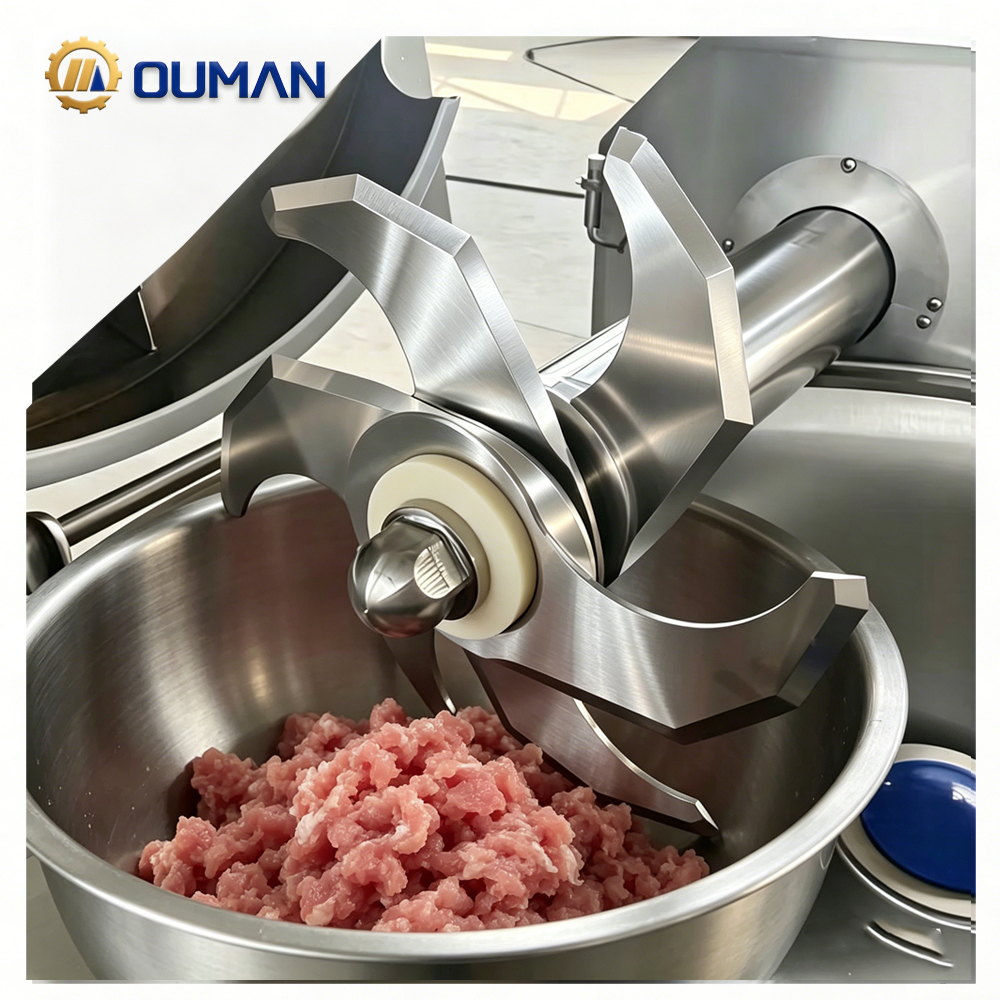
In the high-stakes sector of industrial food manufacturing, processing frozen goods presents a unique set of technical hurdles that directly impact a facility's bottom line. Frozen proteins, vegetables, and ready-made meals possess an incredibly dense, non-yielding structural composition, making them some of the most difficult materials to portion cleanly. Choosing the incorrect food processing blades for these sub-zero operations typically results in excessive product waste, ragged presentation edges, and dangerous blade micro-chipping. From a commercial perspective, optimizing your cutting configuration is not just a matter of maintenance; it is an essential strategy for preserving product yield, extending machinery uptime, and ensuring strict compliance with global food safety standards. Discovering the exact metallurgical and geometric properties required for frozen applications is key to unlocking maximum efficiency on the production line.
Navigating Sub-Zero Metallurgy and Fracture Prevention
The primary enemy of any cutting tool operating in frozen environments is cryogenic brittleness. Standard stainless steel configurations that perform flawlessly at room temperature often become fragile and prone to catastrophic failure when subjected to the intense thermal shock and resistance of deep-frozen food blocks. Experienced processing engineers understand that the ideal tooling material must exhibit an exceptional balance between extreme wear resistance and high impact toughness. Advanced metallurgical formulations utilizing high-grade martensitic stainless steels or specialized powdered metals are heavily favored in these scenarios. By optimizing the carbide distribution within the steel microstructure, these premium materials maintain their structural integrity under constant mechanical stress, preventing microscopic steel fragments from shearing off and contaminating the production batch.
Balancing Edge Geometry and Specialized Tooth Configurations
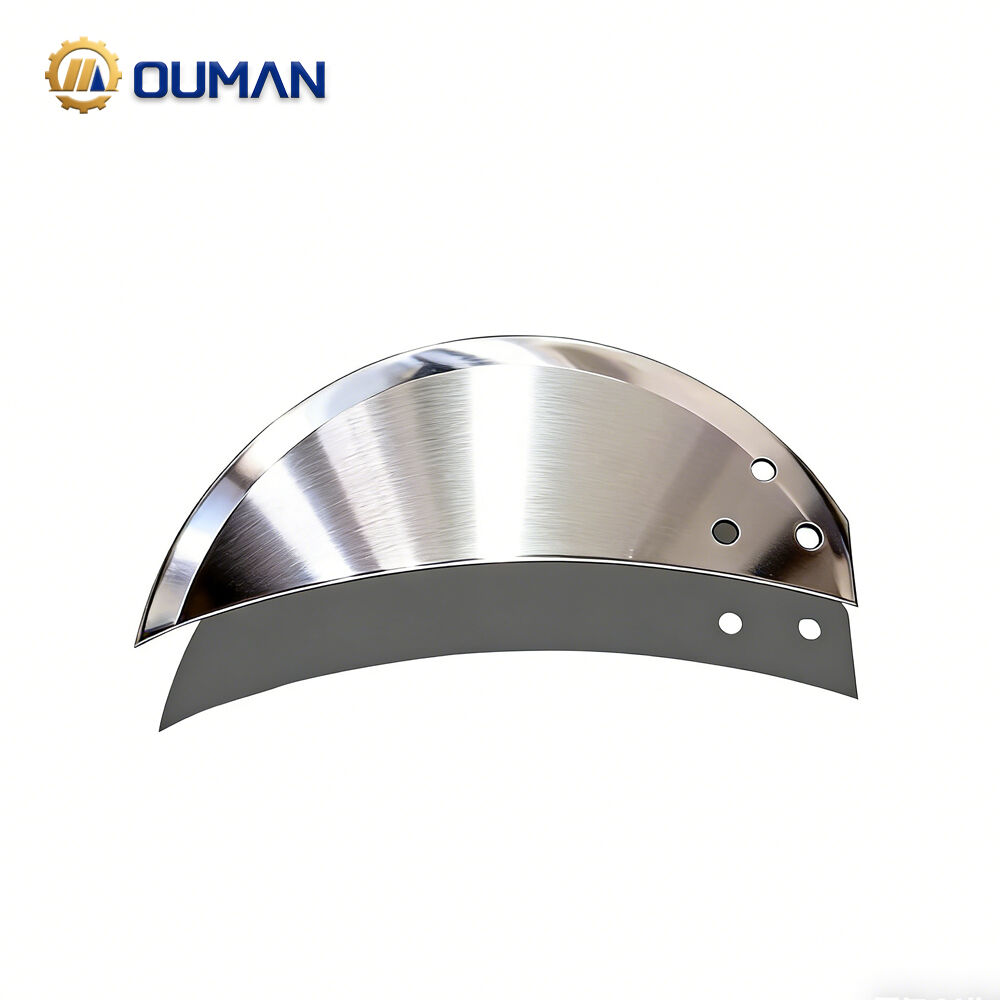
A straight, un-serrated edge rarely succeeds when confronting heavy industrial frozen blocks. Successful portioning relies on minimizing friction and managing the immense resistance generated during the initial penetration phase. Specialized tooth designs, such as scalloped edges or variable-pitch serrations, excel in frozen meat and seafood processing by acting as localized stress concentrators that fracture the frozen matrix ahead of the blade body. The angle of the primary bevel also requires precise engineering calibration; an overly acute angle will yield a razor-sharp cut but will dull almost instantly against dense frozen bone or ice crusts, whereas an overly obtuse angle will crush the product instead of slicing it, leading to unacceptable premium product giveaway.
To better understand how these technical considerations translate into operational requirements, the following matrix outlines the core blade configurations and their industrial benchmarks:
| Blade Type Selection | Key Structural Focus | Primary Application Strength | Impact on Production Value |
| Scalloped Circular Blades | Progressive edge engagement and smooth chip clearance | Frozen tempered meat blocks and poultry | Minimizes sawdust formation and maximizes product yield |
| Heavy-Duty Serrated Bands | High tensile backing steel with hardened tooth tips | Bone-in frozen proteins and dense seafood | Prevents blade deviation and ensures uniform slice thickness |
| Engineered Straight Knives | Optimized double-bevel profiles with low-friction coatings | Frozen vegetable blocks and portioned meals | Reduces mechanical drag and lowers energy consumption |
Mitigating Maintenance Downtime and Maximizing Operating Uptime
In high-volume processing facilities, a production line that stops for frequent blade changeovers is a line that loses profitability. Blade longevity in frozen applications is intimately linked to surface friction and heat dissipation. Even in freezing environments, the intense kinetic energy of high-speed cutting creates localized friction, which can temper the cutting edge and cause premature dulling. Implementing advanced surface treatments, such as specialized low-friction coatings or cryogenic tempering processes, dramatically lowers the operational temperature at the cutting interface. This proactive technical optimization keeps the cutting edge sharper for significantly longer durations, shifting plant operations from a reactive, high-maintenance cycle to a highly predictable, profitable preventive maintenance workflow.
Strict Sanitation Compliance and Hygienic Structural Engineering
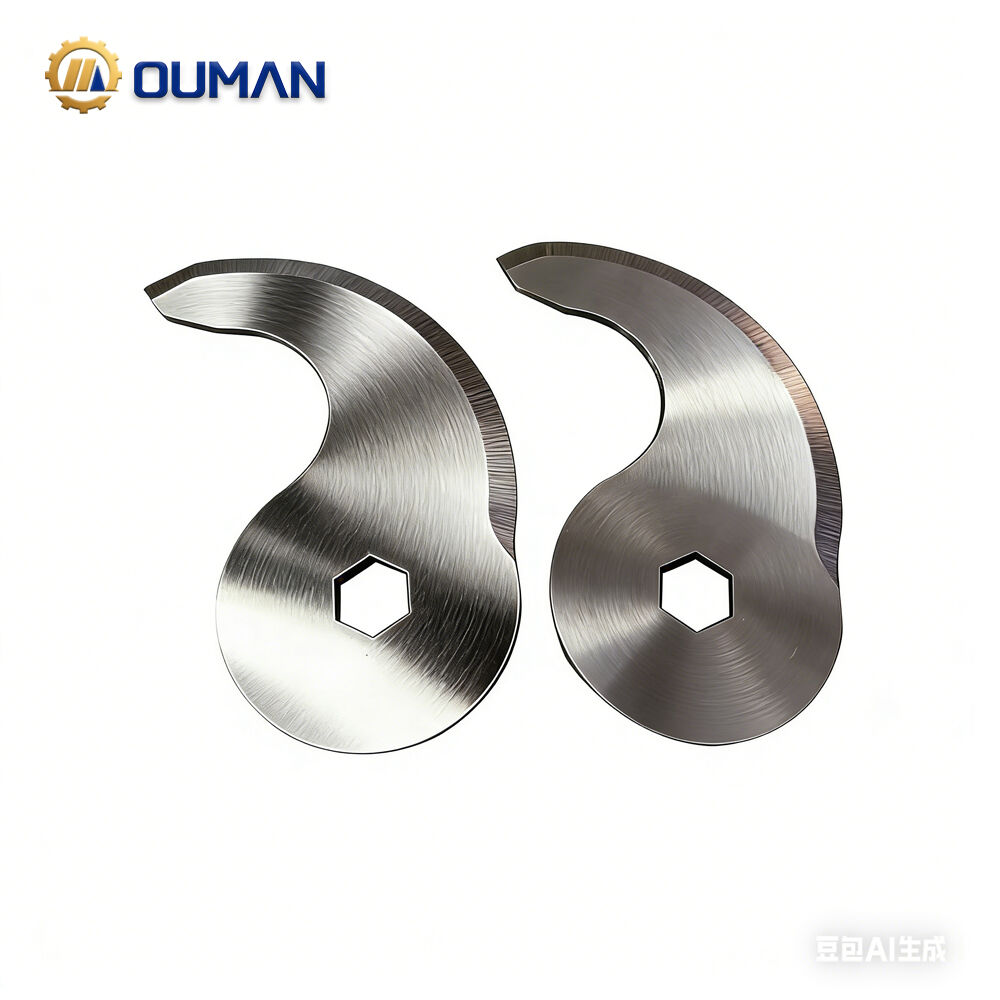
Beyond mechanical performance, cutting tools operating in the global food supply chain must adhere to the most uncompromising hygienic standards established by international regulatory bodies. Frozen food processing frequently involves alternating moisture cycles, creating a perfect environment for bacterial colonization if the blade design possesses crevices or rough surface finishes. Code-compliant industrial knives must feature ultra-smooth, micro-polished surface finishes that resist organic buildup and facilitate rapid, thorough clean-in-place operations. Furthermore, the base alloy must be completely impervious to the harsh chemical sanitizers and corrosive detergents used during daily plant washdowns, ensuring that the tooling never introduces oxidation or chemical residues into the consumer product.
Integrated Custom Manufacturing and Global Supply Chain Synergies
Achieving flawless execution in frozen food portioning ultimately requires a manufacturing partner capable of translating complex material science into highly customized, precision-engineered industrial solutions. This advanced operational capability is precisely where premier industrial suppliers, such as Ouman Blades, deliver decisive commercial advantages to global food processors. By integrating state-of-the-art CNC precision grinding, proprietary heat-treatment protocols, and comprehensive quality control systems, the fabrication pipeline consistently achieves microscopic tolerances tailored to the exact machinery specifications of the client. This seamless blend of elite metallurgical expertise and agile supply chain logistics ensures that processing facilities receive high-performance, fully certified cutting components precisely when needed, driving long-term operational efficiency and superior product presentation worldwide.
Table of Contents
- Navigating Sub-Zero Metallurgy and Fracture Prevention
- Balancing Edge Geometry and Specialized Tooth Configurations
- Mitigating Maintenance Downtime and Maximizing Operating Uptime
- Strict Sanitation Compliance and Hygienic Structural Engineering
- Integrated Custom Manufacturing and Global Supply Chain Synergies