
 EN
EN
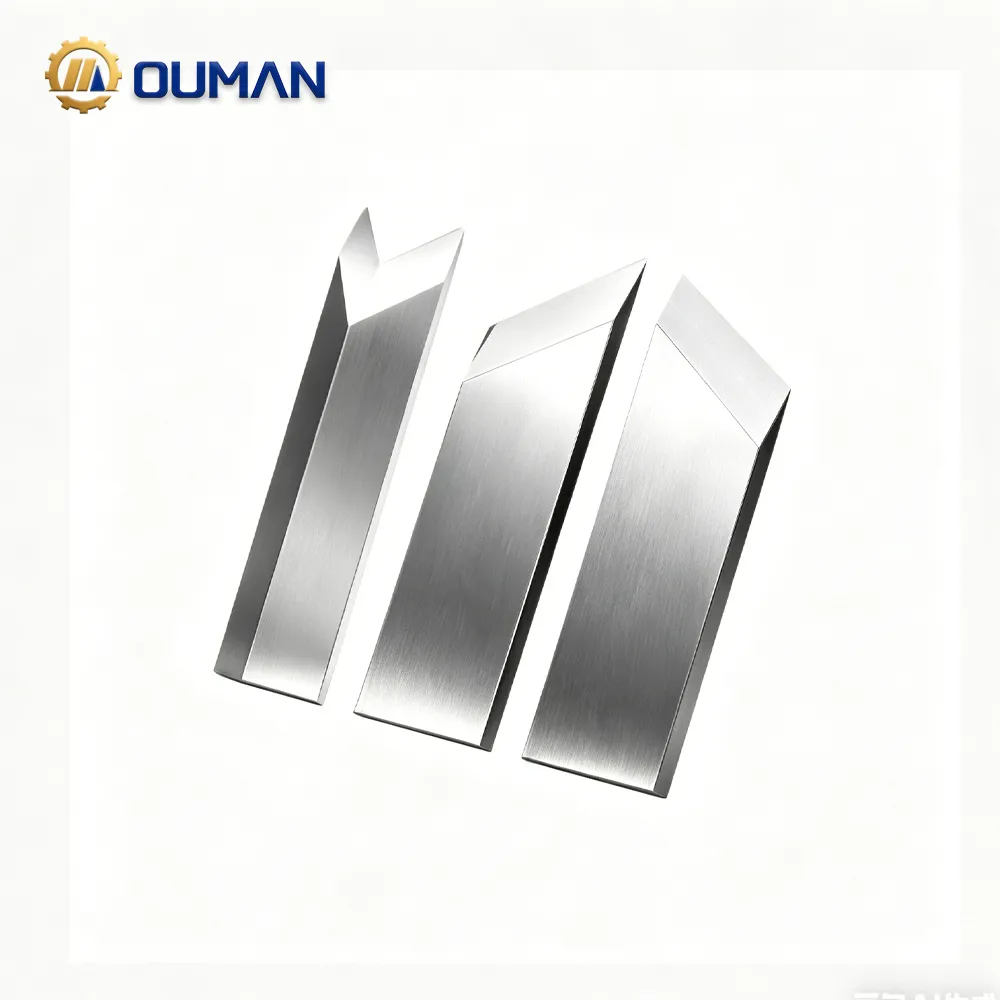
Walk onto any high-output steel mill floor or metal service center, and the sheer volume of noise, heat, and moving tonnage will tell you one thing immediately: this is an incredibly punishing environment. In heavy metalworking, shaping raw metal into market-ready products requires colossal force, but raw force without precise control is completely useless. This is exactly where shear blades come into the picture. Frequently operating behind the scenes wrapped in massive industrial housing, these high-performance cutting tools are responsible for parting, trimming, and sizing everything from glowing hot slabs to ultra-thin cold-rolled coils. Keeping these cutting edges sharp, resilient, and reliable is the direct boundary between a highly profitable, smooth-running line and a cascading operational shutdown.
Mastering Precision in Cold Rolling and High-Tensile Slitting
When processing cold-rolled strip steel, delicate silicon sheets, or advanced high-strength steels (AHSS) meant for the automotive sector, precision becomes the ultimate metric. Mill operators are locked in a constant battle against burrs, edge cracks, and sheet deformation. In high-speed slitting lines and automated cut-to-length lines, shear blades must deliver pristine, square edges hour after hour.
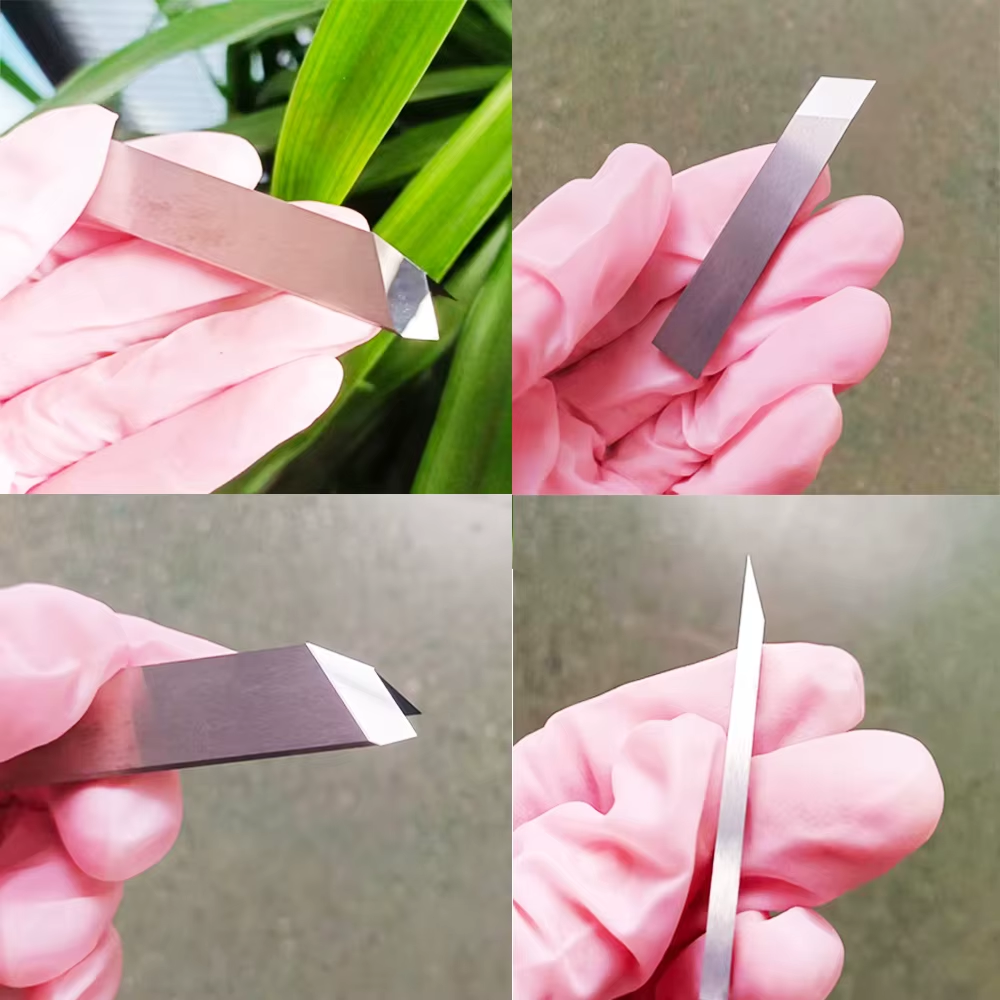
If a blade suffers even minor micro-chipping or loses its optimal blade clearance due to rapid thermal expansion, the finished product quality plummets, resulting in costly scrap. Cutting high-tensile material demands a highly delicate metallurgical balance:
-
The Hardness Dynamic: The edge must be hard enough to resist abrasive wear from stubborn oxide scales.
-
The Toughness Factor: It must retain enough impact toughness to absorb heavy shocks without breaking.
Standard off-the-shelf commercial tool steels often fail prematurely under heavy cyclic fatigue. Achieving a dependable, burr-free edge consistently requires premium tool steel combinations machined to exact tolerances, ensuring the metal splits cleanly rather than tearing under crushing hydraulic pressure.
Facing Extreme Thermal Shock in Hot Rolling Mills
Moving further upstream to the hot rolling sector, the operational challenges shift away from micrometer precision toward pure, brutal survival. Flying shears, crop shears, and rotary shears are tasked with slamming through steel billets and heavy plates glowing at temperatures well over $800^\circ\text{C}$. In this specific zone, shear blades face a deadly combination of intense mechanical shock and severe thermal fatigue.
When a relatively cool blade makes high-pressure contact with a red-hot steel slab, the extreme temperature gradient causes rapid, localized expansion and contraction. This relentless thermal cycling triggers micro-cracking across the surface, an operational phenomenon widely known as heat checking.
To survive this hostile environment, the cutting edge cannot rely on room-temperature hardness alone. It demands specialized hot-work alloy formulations that refuse to soften when temperatures spike, maintaining structural stability and keeping the line running without constant maintenance interventions.
Driving Bottom-Line Economics in Scrap and Edge Shearing
Beyond primary shaping and finishing, managing production scrap and waste material plays an enormous role in a mill's financial bottom line. Rotary side trimmers and scrap choppers work relentlessly along the line to clean up the uneven, work-hardened edges of moving steel strips. Because these edges are already hardened from previous reduction passes, they are surprisingly difficult to cut cleanly.
| Blade Performance Aspect | Standard Tooling Products | High-Performance Engineered Blades |
| Edge Wear Resistance | Rapid dulling under work-hardened scrap | Extended sharpness via carbide density |
| Downtime Risks | High risk of scrap nests and line jams | Clean cuts, smooth scrap evacuation |
| Total Cost of Ownership | High due to frequent regrinds/replacements | Optimized ROI with prolonged lifecycle |
When a processing facility can double the total tonnage processed between blade regrinds, the accumulated savings in maintenance labor and avoided downtime far outweigh the initial purchase price of the tools. Efficient scrap shearing keeps the entire recycling loop moving smoothly, directly boosting mill efficiency.

The Hidden Science of Metallurgy and Vacuum Heat Treatment
Why do two identical-looking industrial knives perform so differently on the factory floor? The real differentiator is locked deep within the microscopic grain structure of the metal, driven by sophisticated heat treatment techniques. Producing a truly reliable industrial knife requires absolute control over vacuum hardening and deep cryogenic tempering cycles.
These advanced processes ensure the complete elimination of retained austenite and thoroughly relieve the internal stresses that naturally accumulate during heavy machining stages. A perfectly heat-treated blade features a highly uniform distribution of hard alloy carbides throughout its matrix. This structural consistency prevents localized chipping when the blade encounters a hard spot or an unexpected variation in material thickness, providing a foundation of operational trust that global buyers depend on.
Custom Engineering and Uncompromising Supply Chain Delivery
Successfully navigating the diverse demands of international steel processing requires a manufacturing partner that genuinely understands both heavy engineering and agile supply chain logistics. Ouman has built a rock-solid reputation across the global industry by bridging this exact gap. Specializing in high-precision, heavy-duty industrial knives, the production workflows at Ouman utilize state-of-the-art multi-axis CNC grinding, specialized in-house heat treatment facilities, and rigorous ultrasonic non-destructive testing to ensure every single edge leaves the floor with zero internal defects.
By maintaining a deep inventory of premium tool steels and offering highly flexible custom engineering services tailored to specific mill configurations, Ouman consistently supports metal service centers and steel producers worldwide. This robust manufacturing and supply chain infrastructure ensures that whether a client requires standard replacement parts or custom-tailored solutions for high-wear applications, delivery is swift, dependable, and executed to world-class industrial standards.