 EN
EN
How to Choose the Right Meat Cutting Blade for Your Processing Line
A practical selection guide covering size, material, and edge design
- Overview
- Recommended Products
Choosing the right cutting blade is one of the most impactful decisions in a meat processing operation. The correct blade improves yield, reduces downtime, and lowers long-term cost. Here are the key factors to consider.
1. Match the Exact Size to Your Machine
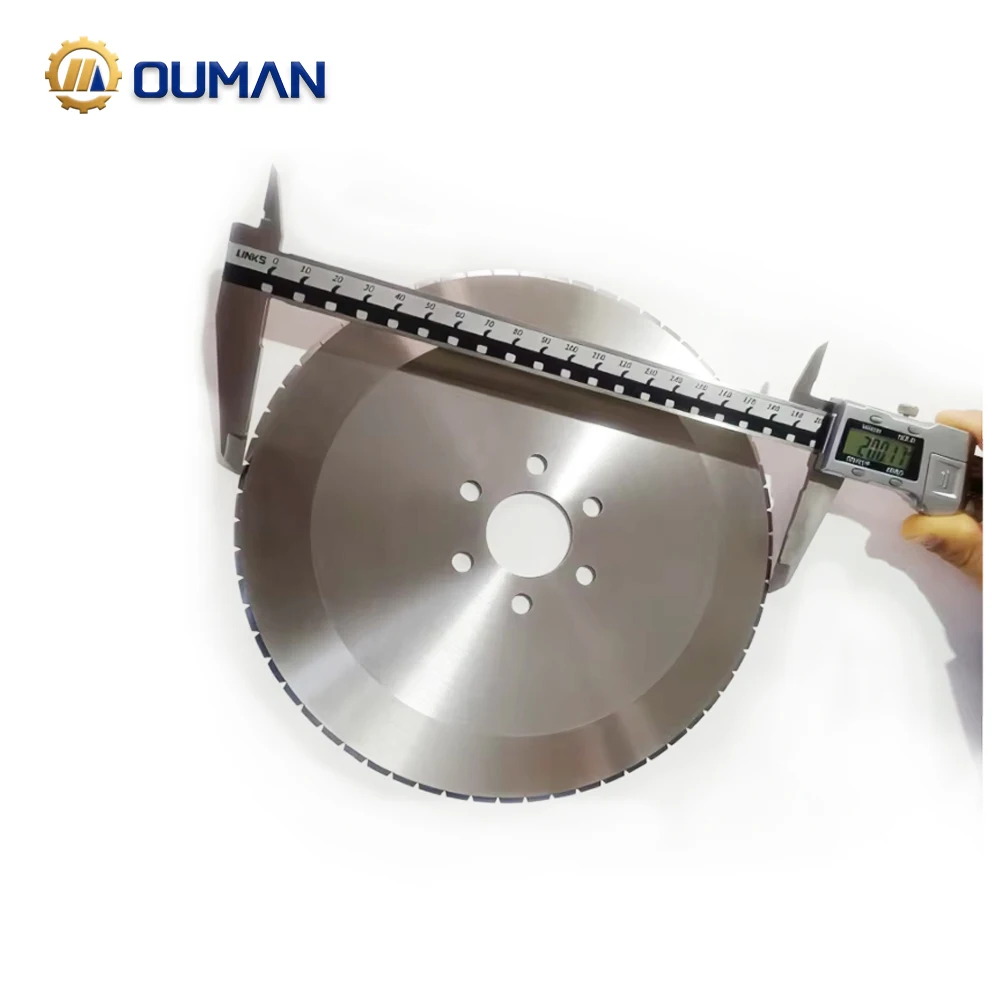
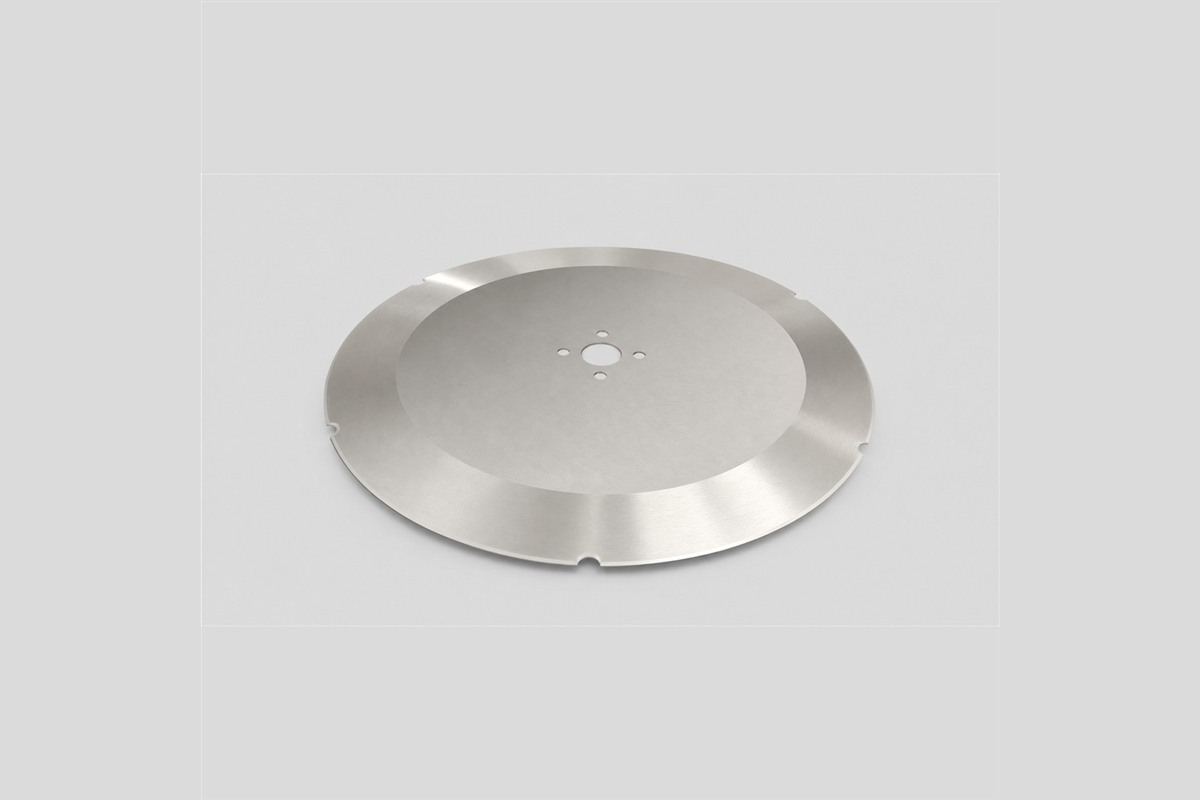
Blade dimensions — outer diameter, bore (center hole), and thickness — must match the machine's spindle and mounting configuration. Always measure the original blade or consult the machine manual before ordering. A blade that is even a few millimeters off can cause vibration, poor cutting, or equipment damage.
2. Choose the Right Material
Stainless steel blades offer excellent corrosion resistance and are preferred for direct food contact and wet environments. High-carbon steel provides greater hardness and edge retention for high-volume cutting. The right choice depends on the product being cut and the operating environment.
3. Consider Edge Design
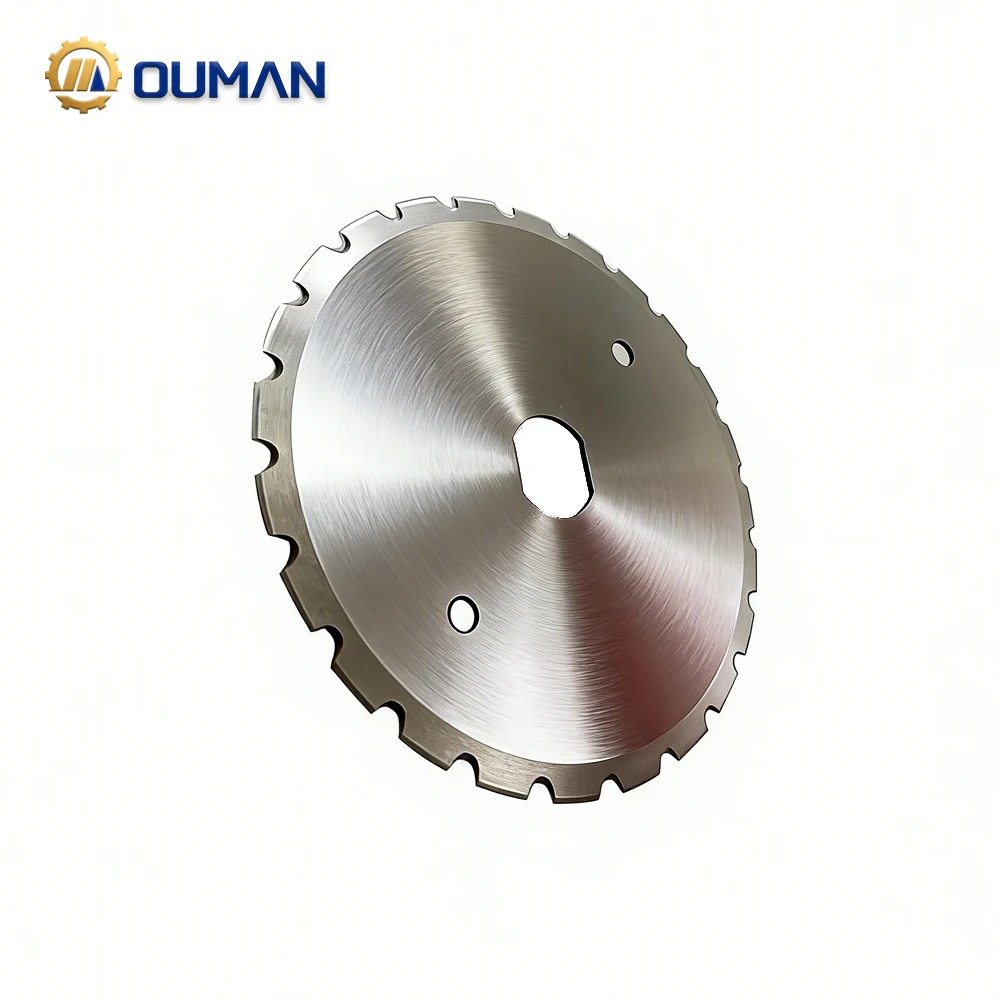
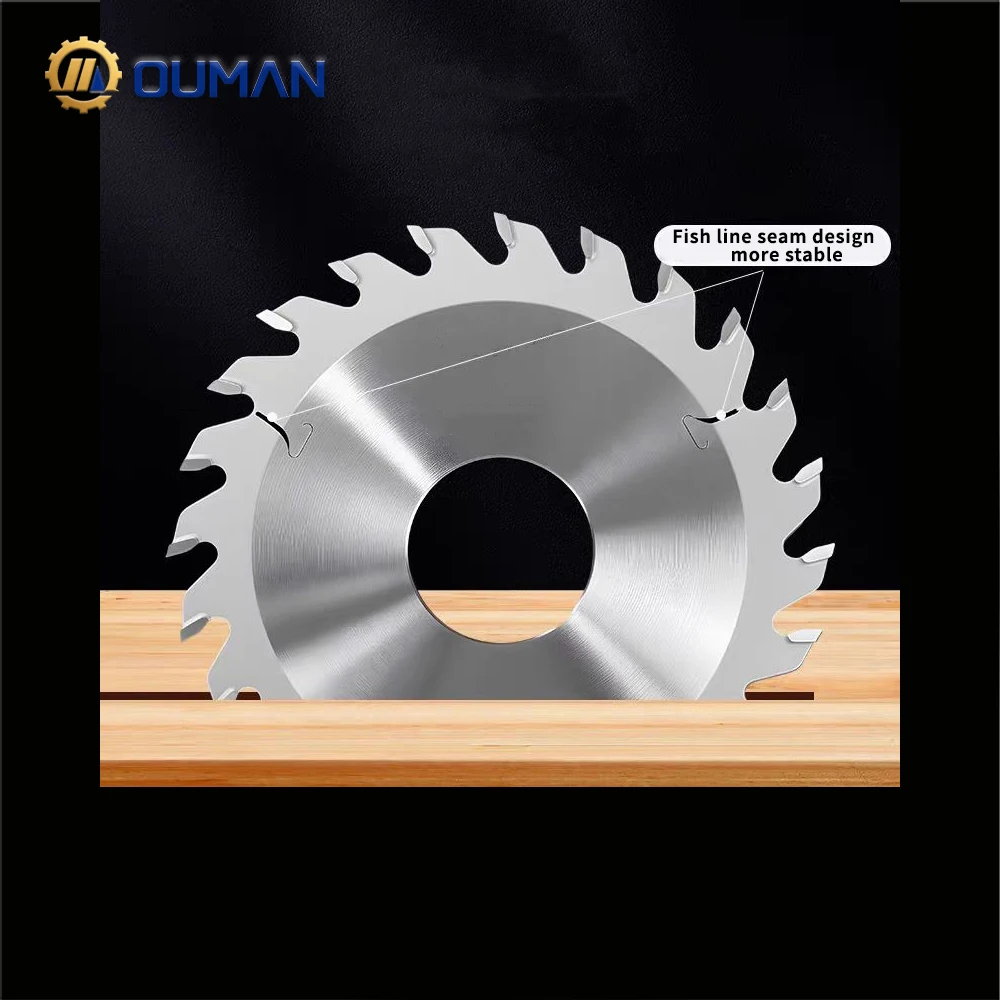
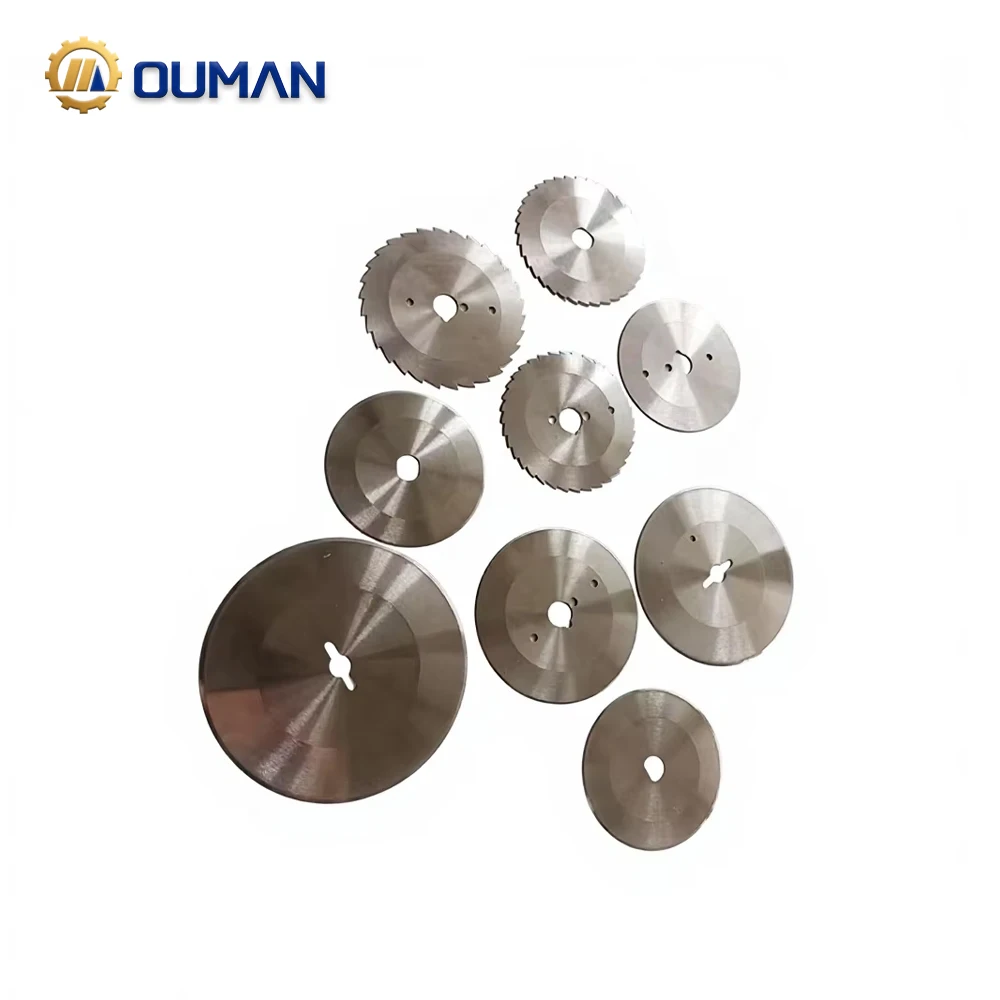
Notched or serrated edges help prevent meat from sticking to the blade and improve slicing action on tougher cuts. Smooth beveled edges deliver clean, precise slices for delicate products. Blade geometry should be matched to the application, not chosen at random.
4. Plan for Replacement and OEM Supply
For processors running multiple machines, keeping an inventory of reliable replacement blades is essential to avoid downtime. Working with a factory-direct supplier that supports OEM customization — exact size, material, and logo — ensures consistent quality and stable supply.
Need Help Selecting?
OUMAN's engineers help customers confirm the right blade specification for their equipment and application. Send us your original blade size or a photo, and we will match it with a suitable solution.