
 EN
EN
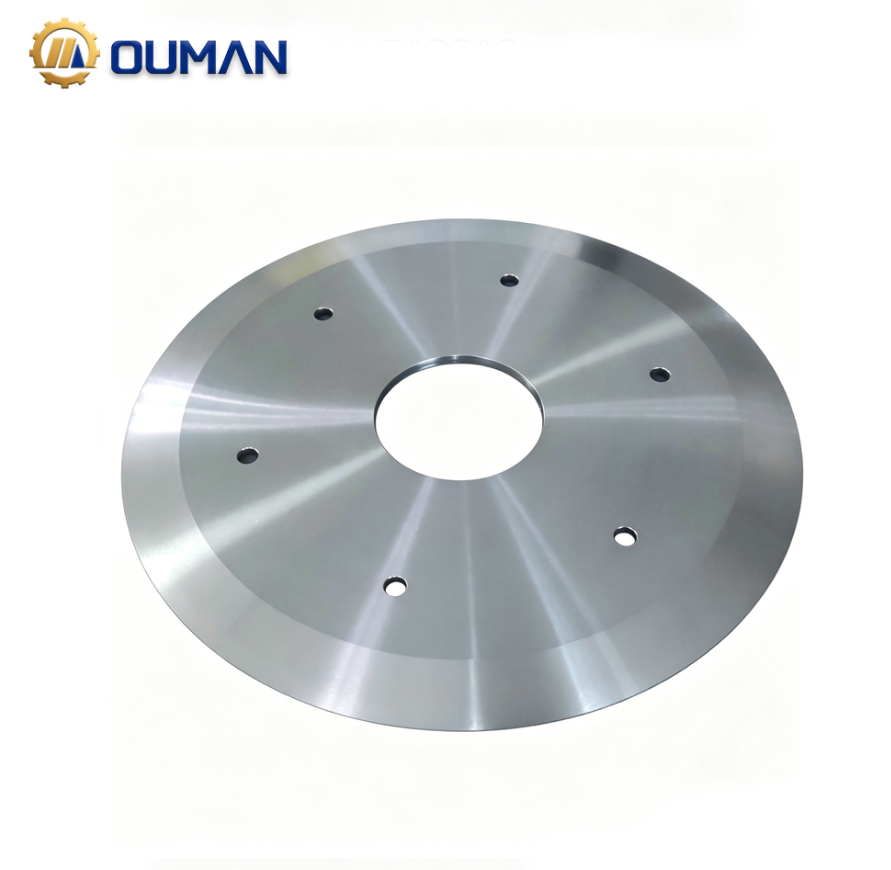
The Limitations of Standard Paper Blades in Modern Production
Most standard paper blades are manufactured for general purpose cutting tasks, which makes them difficult to adapt to complex industrial converting and packaging environments. When working with abrasive cardboard, laminated films, coated paper, and high speed production lines, generic blades easily show obvious defects. Soft blade grades become dull quickly during continuous corrugated board processing, resulting in rough cutting edges, excessive paper dust, and unstable finished quality. Harder standard blades are prone to chipping and cracking when cutting multi layer laminated materials due to poor flexibility.
Common production problems including burrs, uneven slitting, substrate tearing, and flute crushing are rarely caused by operational errors. In most cases, these issues come from mismatched blade hardness, unreasonable edge geometry, and inappropriate shear clearance settings. Without professional customization, packaging and converting factories face frequent blade replacement, unplanned equipment downtime, inconsistent product standards, and increased material waste. This clearly explains why universal standard paper blades cannot meet the high precision and high endurance requirements of modern paper processing lines.
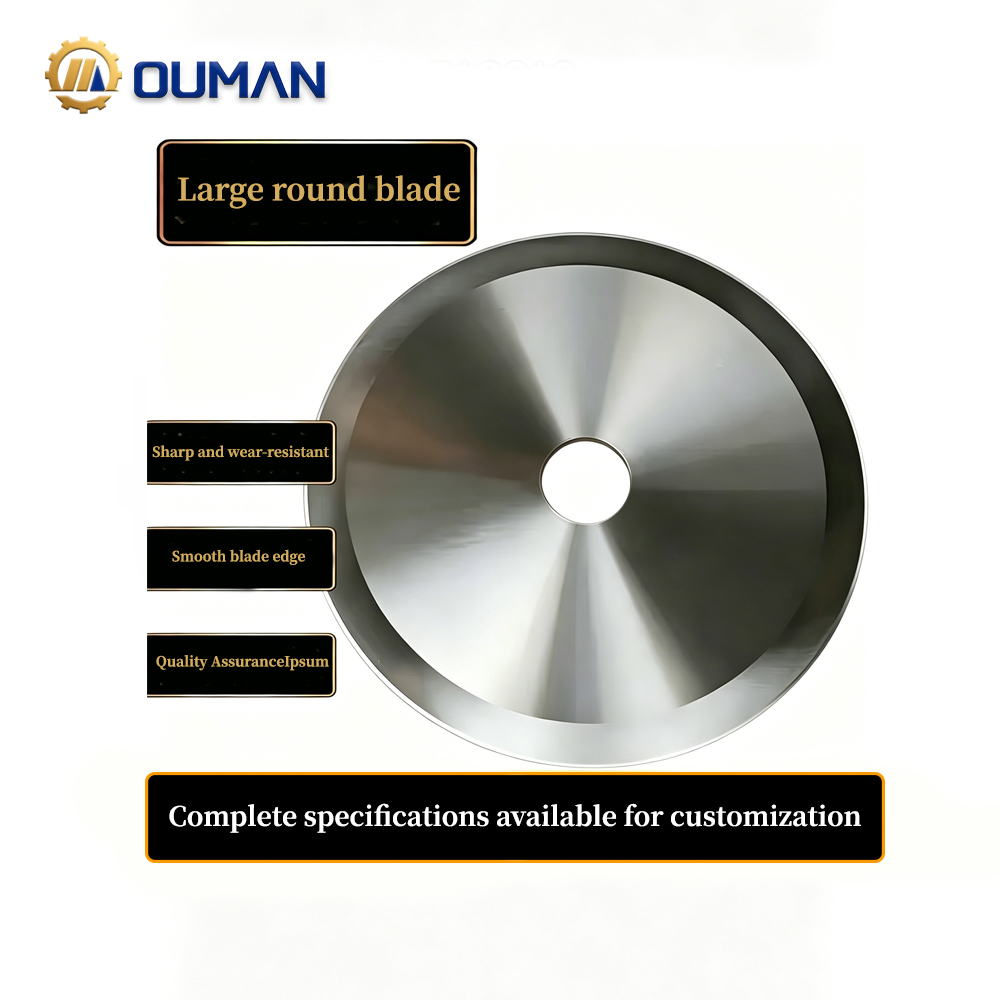
Core Customization Dimensions of High Performance Custom Paper Blades
To stabilize production quality and reduce operational costs, more manufacturing enterprises are replacing standard blades with custom paper blades tailored to specific processing scenarios. Customized blade solutions fully consider substrate composition, line running speed, cutting pressure, and processing types, effectively solving premature wear, edge damage, and low slitting precision caused by off the shelf blade limitations. Professional customization mainly focuses on two core dimensions edge profile geometry and blade material coating configuration, which jointly determine blade service life and cutting stability.
Optimized Edge Geometry for Different Cutting and Creasing Tasks
Blade edge geometry directly controls cutting force penetration, friction resistance, and material separation effects, which is the key to clean slitting and creasing. Custom bevel angle design achieves targeted performance improvement for different materials. A 35 degree sturdy bevel is suitable for thick corrugated board stacking cutting, while a fine 20 degree sharp edge supports high precision label slitting with minimal residue.
Different edge styles solve targeted industrial problems. Serrated edges prevent material tearing and ensure smooth shearing on laminated and coated substrates. Radius ground edges eliminate fraying marks during carton creasing processes. Custom chamfer structures reduce surface friction and avoid scratching sensitive materials such as aluminum foil and metallic paper. For packaging perforation production, precise micro notch customization forms stable tear strip structures, maintaining intact substrate appearance while ensuring easy and consistent tearing for mass production.
Professional Material and Coating Selection for Extended Blade Lifespan
Material abrasion resistance, impact toughness, and surface anti sticking performance decide the overall durability of custom paper blades. Industrial paper contains mineral fillers, UV cured ink layers, and adhesive coatings, which cause continuous wear on ordinary blades. Reasonable material selection and surface treatment can greatly improve production continuity.
High carbon M2 steel balances wear resistance and impact toughness, perfectly fitting high volume corrugated paper processing. Chromium nitride coating increases blade surface hardness above 1800 HV, effectively resisting abrasion from recycled paper fibers and extending service life significantly. Teflon composite coating reduces adhesive accumulation, which is essential for stable label converting production. Micro grain carbide inserts provide excellent edge retention for clay filled and resin coated specialty paper. In addition, targeted low temperature tempering treatment improves blade shock resistance, avoiding chipping caused by hidden staples and uneven board thickness during continuous operation.
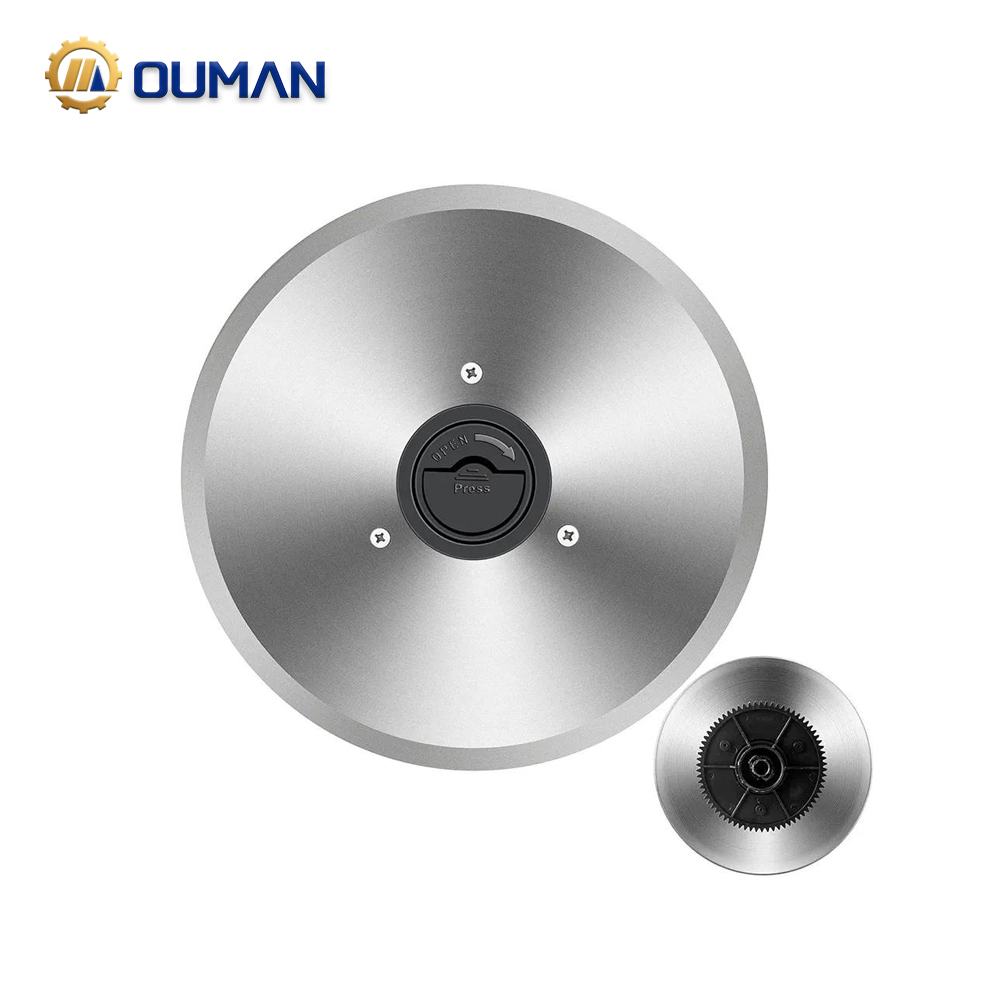
Industrial Application Advantages of Custom Paper Blades
In formal packaging production lines, corrugated cardboard, kraft paper, and multi layer composite laminates pose severe wear challenges to standard blades, leading to frequent tool replacement, high waste rates, and reduced overall equipment efficiency. Custom paper blades with customized geometry and professional coatings maintain long term sharpness stability in high speed continuous production. Verified by European and American factory production data, customized blades can reduce replacement frequency by nearly 30 percent and greatly cut unplanned downtime.
For corrugated packaging production, custom rake angle blades prevent flute crushing even under 600 meters per minute high speed operation. For PET aluminum composite laminated materials, micro variable bevel design avoids material delamination during slitting, supporting stable production within tolerance below plus or minus 0.07 mm. In specialty paper processing such as adhesive labels and folding cartons, precise 25 to 30 degree bevel blades solve adhesive overflow and paper tearing problems. Laser hardened blades adapt to fluctuating press pressure, while curved radius blades support clean cutting for craft paper and textured cardstock, covering both industrial production and personalized processing needs.
FAQ
Why do standard paper blades fail easily in industrial production? Standard paper blades adopt universal design without targeted customization. They cannot match the hardness, friction, and structural characteristics of special paper and laminated materials, resulting in dull edges, burrs, tearing and frequent wear in professional production lines.
How does edge geometry affect paper cutting quality? Custom edge geometry and bevel angles optimize cutting force transmission and friction control, effectively avoiding common defects such as material fraying, tear out and surface damage to ensure consistent cutting precision.
What benefits do custom blade materials and coatings bring? Professional steel substrates and functional coatings improve abrasion resistance, impact toughness and anti sticking performance, adapting to various complex paper materials and greatly extending blade service life.
Which industries need custom paper blades most? Packaging processing, corrugated box manufacturing, label converting, folding carton production and specialty paper crafting industries all require high precision custom blades to stabilize production quality.
Can custom paper blades effectively reduce factory downtime? Yes. Custom paper blades feature longer sharpness retention and higher stability, lowering replacement frequency and minimizing unplanned production downtime for high volume manufacturing lines.
Table of Contents
- The Limitations of Standard Paper Blades in Modern Production
- Core Customization Dimensions of High Performance Custom Paper Blades
- Optimized Edge Geometry for Different Cutting and Creasing Tasks
- Professional Material and Coating Selection for Extended Blade Lifespan
- Industrial Application Advantages of Custom Paper Blades
- FAQ