
 EN
EN
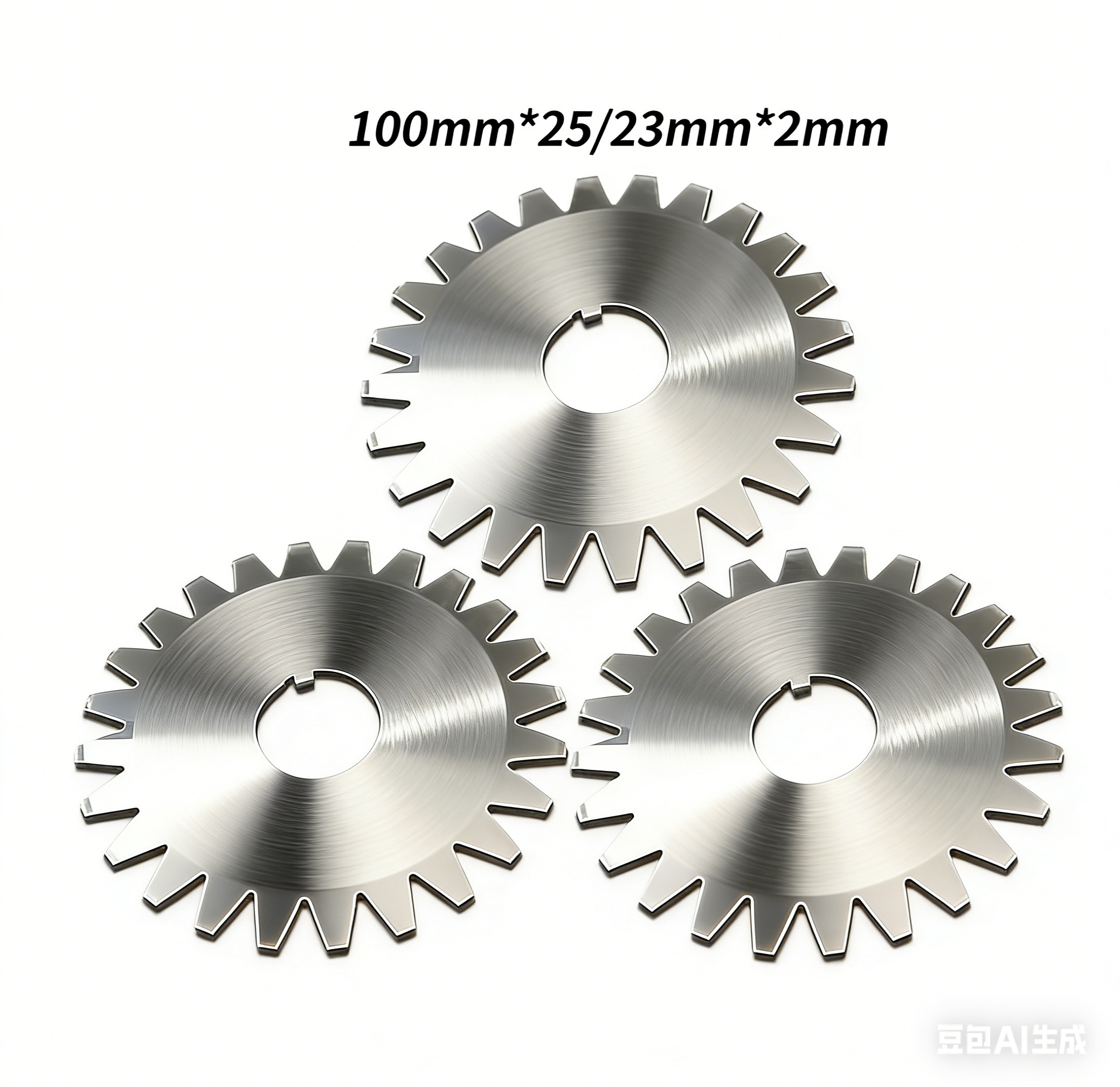
The Critical Role of Industrial Cutting Precision
In high-output industrial environments, the quality of your cutting tool defines the quality of your finished product. Whether you operate in food processing, packaging, or textile manufacturing, the performance of the stainless steel blade at the heart of your machinery is paramount. Industrial managers often face a choice between standard carbon steel and stainless alternatives. While carbon steel may offer a lower upfront cost, the long-term operational headaches—such as frequent sharpening, rust, and material contamination—can significantly hurt your production efficiency. Opting for professional-grade stainless steel is a strategic investment in process stability.
Metallurgy: The Science of Corrosion Resistance
The primary technical advantage of stainless steel lies in its specific chromium content, which forms an invisible, passive layer of chromium oxide. This layer acts as a self-healing barrier against oxidation, moisture, and mild industrial acids. In sectors like food and beverage, where sanitation protocols involve harsh detergents and high-pressure cleaning, standard blades fail almost instantly. A high-quality stainless steel blade maintains its structural integrity and sharp edge long after inferior components succumb to pitting or corrosion.
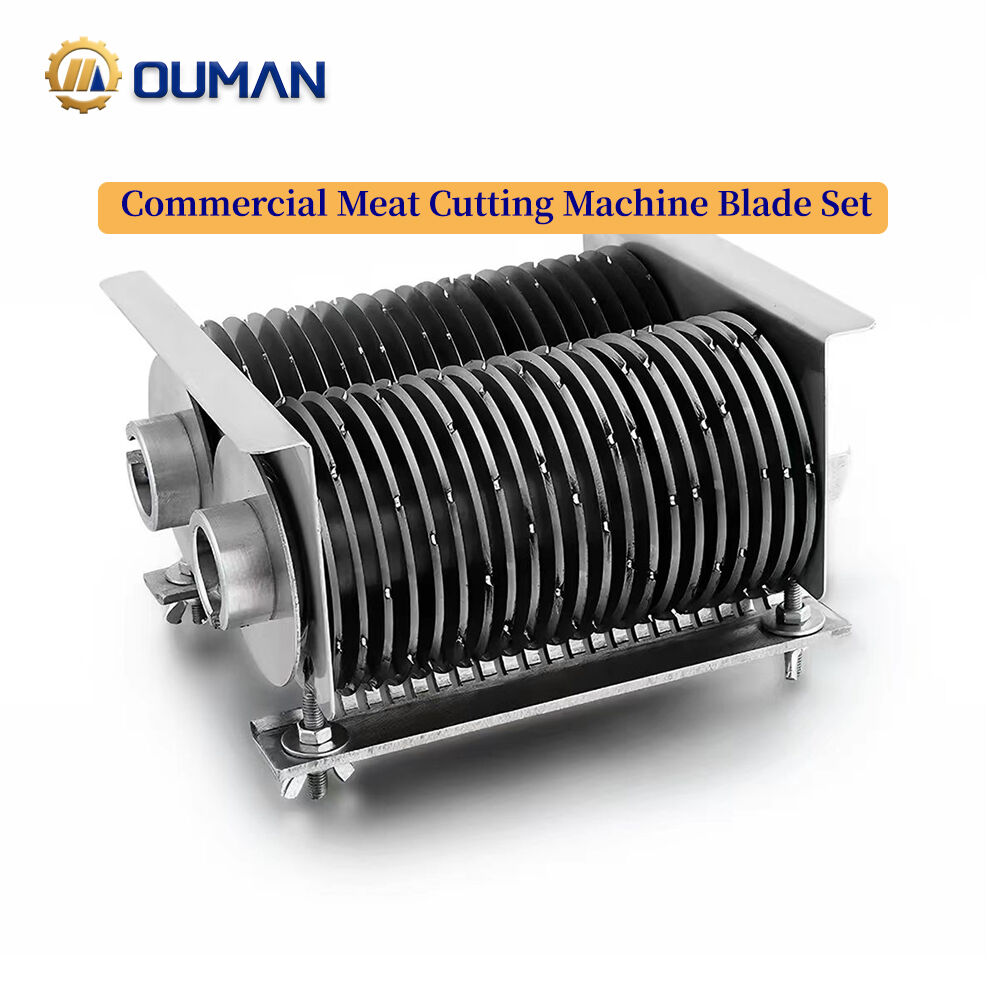
Optimizing Performance Across Key Sectors
Different industrial applications require specific blade characteristics to maximize efficiency. Use this guide to select the right grade for your operation.
| Industry Sector | Key Requirement | Benefit of Stainless Steel |
| Food Processing | Hygiene/Acid Resistance | Prevents bacterial buildup and metal leaching |
| Textile Manufacturing | Burr-free Cutting | Ensures smooth fabric edges and high precision |
| Packaging/Film | Wear Resistance | Minimizes downtime for edge replacement |
| Medical/Lab | Sterilization Compatibility | Withstands autoclaving without degradation |
Precision Engineering and Edge Retention
The true value of a blade is measured by its edge retention. Modern metallurgy allows manufacturers to balance hardness (for sharpness) with toughness (to prevent chipping). A professional-grade stainless steel blade relies on rigorous heat-treatment processes like vacuum tempering and cryo-treatment. These ensure the steel's crystalline structure remains stable under high-speed operation. When blades stay sharp for longer cycles, machines consume less power and produce less scrap, leading to a more profitable production line.
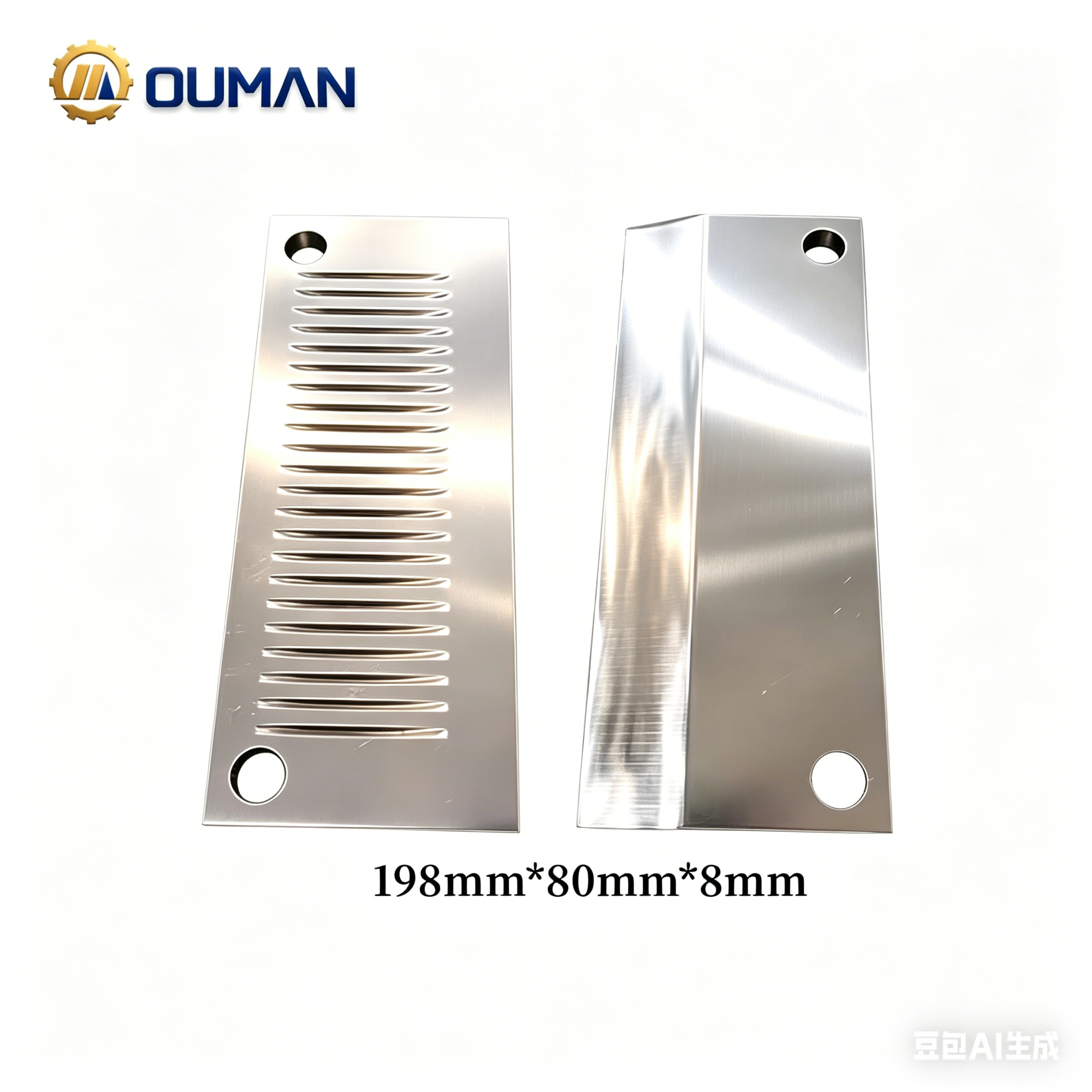
Troubleshooting Blade Wear and Tear
Even the highest quality blades have a finite lifespan. Recognizing early fatigue prevents sudden production halts.
| Symptom | Potential Cause | Professional Recommendation |
| Uneven Cut Edges | Edge micro-chipping | Review cutting angle and material hardness |
| Frequent Dullness | Improper alloy selection | Upgrade to a higher-grade stainless alloy |
| Visible Oxidation | Cleaning chemical mismatch | Verify chemical resistance vs. steel grade |
The Ouman Commitment to Manufacturing Excellence
Reliability is the hallmark of a successful manufacturing partner. Ouman specializes in the art of blade fabrication, combining advanced metallurgy with precision CNC grinding to ensure every edge meets exact specifications. By maintaining an integrated manufacturing workflow, Ouman ensures total consistency across high-volume orders. Every stainless steel blade undergoes rigorous quality testing to verify edge profile and fatigue resistance. Partnering with a manufacturer that prioritizes technical precision and supply chain transparency allows facility managers to operate with total confidence, knowing their core hardware is engineered for industrial endurance.