
 EN
EN
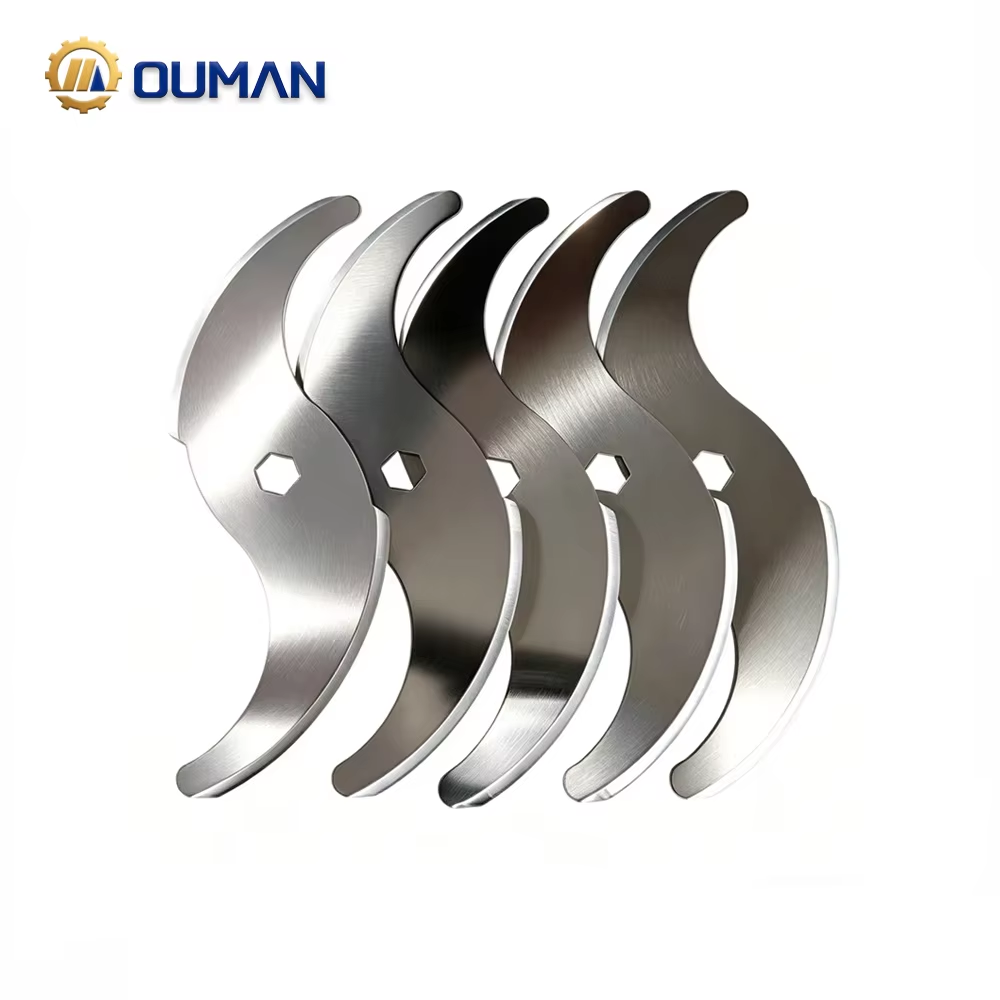
In the commercial kitchen or industrial food processing line, a blade is never just a piece of metal. It is the core interface between raw ingredients and the final product. Selecting the right food processing blades requires more than just looking at the sharpness or shape; it demands a deep dive into metallurgical integrity. For manufacturers and chefs alike, the decision between 304 and 316 stainless steel grades is pivotal. While they may look identical to the naked eye, their molecular structures dictate their performance in the face of moisture, salt, and acidity—the daily enemies of food equipment.
The Metallurgical Distinction
The fundamental difference lies in chemical composition. Grade 304 stainless steel is a versatile chromium-nickel alloy, widely celebrated for its general corrosion resistance and affordability. However, Grade 316 adds a specific secret ingredient: molybdenum. This element acts as a powerful shield, significantly enhancing the alloy’s ability to resist pitting and crevice corrosion. In the world of food engineering, this makes 316 the preferred choice for environments involving high salt content, extreme temperatures, or aggressive cleaning chemicals that would prematurely degrade a 304-grade blade.
Corrosion Resistance in Harsh Environments
Food processing is a brutal environment for metal. Imagine a blade constantly cutting through brine, citrus, or fermented products. Over time, these substances attack the surface of the steel. Grade 304 handles standard, neutral-pH foods with ease. However, when the process involves aggressive marinades or persistent saltwater exposure, the surface integrity of 304 may eventually weaken. Grade 316 excels here, maintaining its passive oxide layer far longer under chemical stress. Relying on 316 for demanding lines minimizes downtime caused by blade degradation and ensures the highest level of food hygiene compliance.
| Feature | Grade 304 Stainless Steel | Grade 316 Stainless Steel |
| Primary Composition | Chromium & Nickel | Chromium, Nickel & Molybdenum |
| Corrosion Resistance | Excellent for standard use | Superior for harsh/acidic conditions |
| Typical Application | General food prep & vegetable cutting | Seafood, brine, and high-acid processing |
Performance and Economic Trade-offs
The decision-making process often balances cost versus service life. While 316 stainless steel comes at a premium due to the molybdenum content, it often delivers a lower total cost of ownership in high-intensity applications. By extending the interval between blade replacements and sharpening cycles, the higher upfront cost of 316 is quickly neutralized. Conversely, for dry cutting or general-purpose tasks where corrosive conditions are minimal, 304 remains an incredibly cost-effective and reliable workhorse that perfectly balances performance and budget.
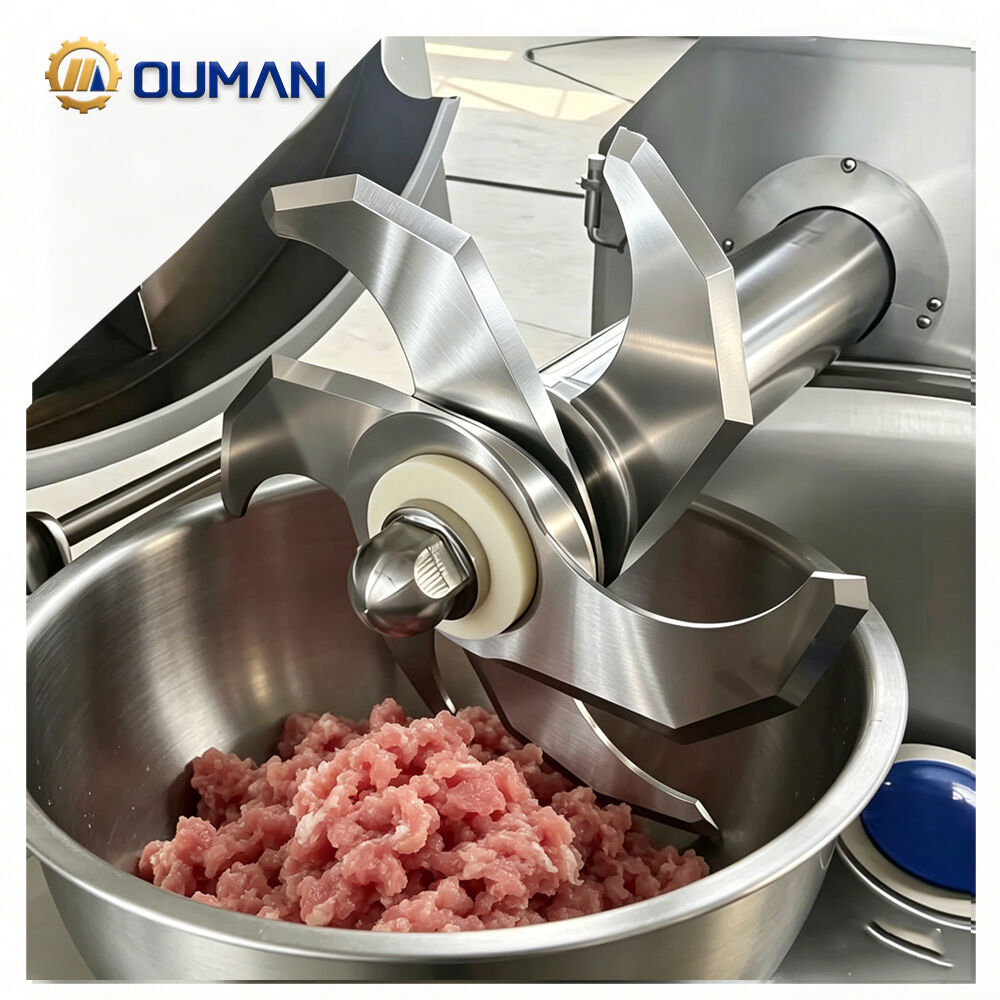
| Factor | Strategic Benefit of 304 | Strategic Benefit of 316 |
| Cost Efficiency | High; ideal for volume tasks | Medium; requires higher investment |
| Service Longevity | Good for non-corrosive use | Exceptional in aggressive settings |
| Regulatory Ease | Fully food-compliant | Meets the strictest global standards |
Manufacturing Excellence and Quality Assurance
Engineering a blade that maintains its edge and resists corrosion is a delicate balance of metallurgy and manufacturing precision. Ouman specializes in transforming raw high-grade steel into high-precision industrial tools. Through proprietary heat-treatment protocols and advanced surface-finishing techniques, Ouman ensures that every blade maximizes the intrinsic properties of the chosen steel grade. This dedication to manufacturing excellence means that regardless of whether a project requires the versatility of 304 or the resilience of 316, the equipment is designed to perform at the peak of industrial standards.
Securing the Future of Food Processing
Choosing the right material for food processing blades is a strategic move that stabilizes production and secures food quality. Proper material selection minimizes the risk of metal contamination and ensures that equipment stays in service longer. By partnering with Ouman, production managers gain access to a supply chain built on technical expertise and a commitment to quality. The focus remains on providing industrial-grade solutions that stand the test of time, ensuring that every cut is as precise and safe as the first, regardless of the ingredients involved.