
 EN
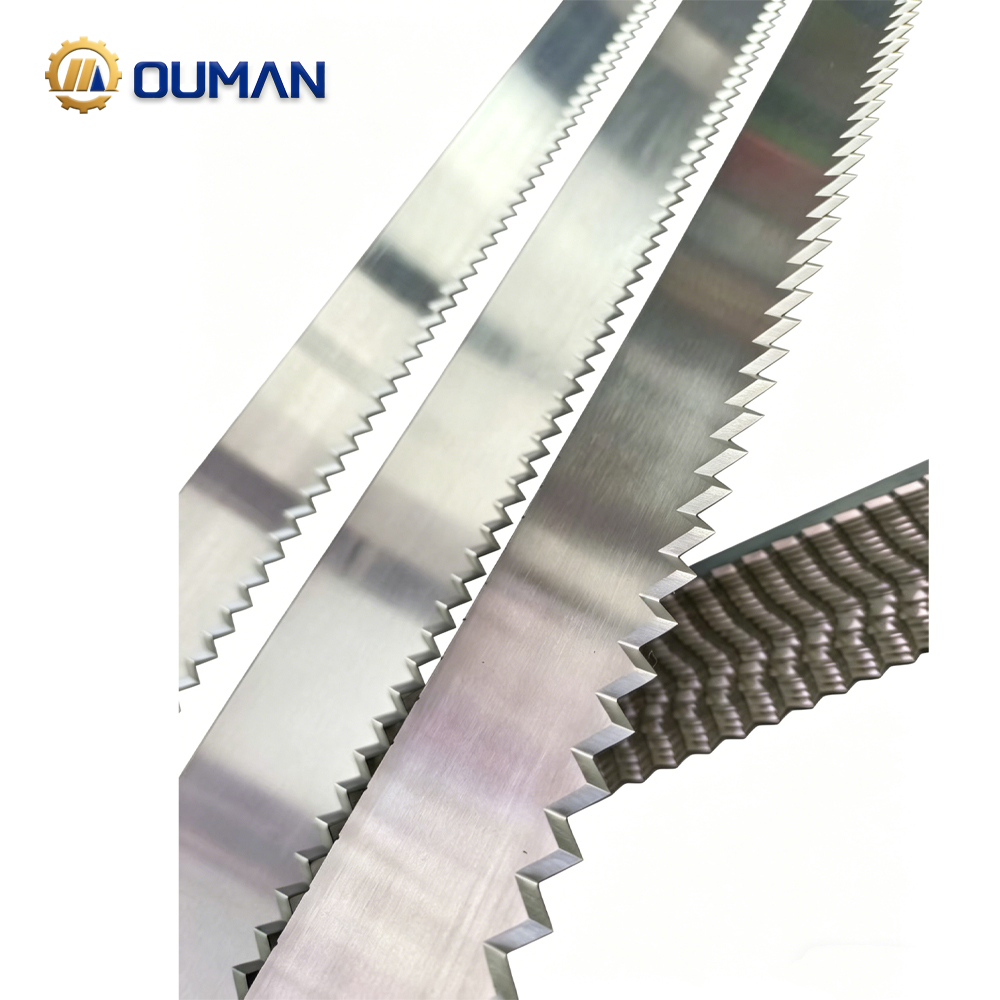
Why Industrial Knife Sanitization Is Critical for Food Safety and Regulatory Compliance
Cleaning vs. Sanitizing: Removing Debris vs. Eliminating Pathogens on Industrial Knives
Cleaning removes visible food residues, fats, and protein films—but it does not kill pathogens. Sanitizing follows with a verified chemical or thermal process that reduces microbial populations to safe levels on food-contact surfaces. The FDA Food Code requires a minimum 5-log reduction (99.999%) of target organisms such as Listeria monocytogenes and Salmonella (FDA, 2022). Without this two-step protocol, biofilms can form in microscopic pits on blade edges, sheltering bacteria even after rinsing. A leading manufacturer’s internal audits found that skipping the sanitizer step left 3% of “clean” industrial knives still positive for Listeria spp. (International Association for Food Protection, 2023).
Cross-Contamination Risks: How Improper Handling of Industrial Knives Spreads Listeria, Salmonella, and Allergens
Industrial knives easily become vehicles for cross-contamination when used across raw meat, produce, or allergen-containing ingredients without proper sanitization. A 2024 Listeria outbreak at a major U.S. processing plant caused 10 deaths and 60 hospitalizations, with investigative findings pointing to shared knives that were not sanitized between raw and ready-to-eat product zones (CDC, 2024). Salmonella can persist on stainless steel blades for up to four hours at ambient temperatures, so using the same knife for raw poultry and then fresh vegetables without sanitizing transfers the pathogen directly to uncooked items (USDA, 2023). Allergen cross-contact is equally dangerous: a knife that sliced a dairy-based product can contaminate a subsequent batch, triggering severe reactions in sensitive consumers. Timely, validated sanitization breaks these contamination chains and supports compliance with FDA Preventive Controls and HACCP plans.
The Verified 5-Step Cleaning and Sanitizing Process for Industrial Knives
Rinse → Wash → Rinse → Sanitize → Dry: Timing, Temperature, and Technique for Optimal Efficacy
The gold-standard protocol for food-contact industrial knives follows a strict sequence that removes both visible debris and invisible pathogens. Start with a pre-rinse using potable water at 110–120°F (43–49°C); this temperature loosens fats and proteins without cooking them onto the blade. Next, apply a neutral-pH detergent and scrub all surfaces with a non-abrasive pad or brush, giving special attention to the bolster, rivets, and handle crevices where biofilms can hide. A thorough post-rinse with clean water eliminates detergent residues that could interfere with the next step. The sanitizing soak or spray—commonly a 50–100 ppm chlorine solution or a peroxyacetic acid formulation—must remain in contact for at least 60 seconds to achieve a 5-log reduction of pathogens like Listeria monocytogenes. Finally, allow knives to air-dry completely on a slotted rack; towel-drying can reintroduce microbes and should be avoided. Consistently following this sequence ensures that industrial knives remain food-safe and compliant with HACCP-based sanitation plans.
When to Act: Mandatory Post-Use Sanitization After Raw Meat Contact or Every 4 Hours
Regulatory frameworks, including the FDA Food Code, mandate that industrial knives used on raw meat, poultry, or seafood must be cleaned and sanitized before being used on ready-to-eat foods or allergens. Cross-contamination spikes when a single blade cuts raw chicken and then slices cooked ham without intermediate sanitation. Even when processing a single product type, continuous use demands sanitization at least every four hours; biofilm formation accelerates on soiled steel, and ambient processing temperatures can push pathogen growth into the danger zone. A 2022 survey of meat-processing HACCP records showed that facilities enforcing the “raw-contact-or-4-hour” rule reduced Salmonella surface positives by 62% compared to those using end-of-shift cleaning only. Simple visual timers or digital line-stop prompts help operators trigger the full rinse-wash-rinse-sanitize-dry cycle on schedule, transforming industrial knife hygiene from a “when-dirty” practice into a systematic, compliance-ready routine.
FDA-Approved Sanitizers for Industrial Knives: Efficacy, Safety, and Material Compatibility
Selecting the right sanitizer for industrial knives involves balancing pathogen kill claims with material compatibility and food safety regulations. The following sections evaluate common options based on their performance data and practical considerations.
Bleach (Sodium Hypochlorite) vs. Vinegar (Acetic Acid): Performance Data Against Key Pathogens on Blade Surfaces
Chlorine bleach and acetic acid (vinegar) represent two ends of the sanitizing spectrum—one an aggressive oxidizer, the other a mild organic acid. The table below compares their efficacy against common foodborne pathogens on blade surfaces under controlled conditions.
| Sanitizer | Active Concentration | Pathogen Reduction (Listeria / Salmonella) | Contact Time | Material Impact on Stainless/High-Carbon Steel |
|---|---|---|---|---|
| Sodium Hypochlorite (Bleach) | 50–200 ppm free chlorine | >5-log (99.999%) reduction on clean surfaces (FDA 2023) | 30–60 seconds | Corrosive with prolonged exposure; may cause pitting if not thoroughly rinsed |
| Acetic Acid (Vinegar) | 5–10% solution | 2–3-log reduction, but strongly influenced by organic load | 10–30 minutes | Generally safe for stainless steel; can dull high-carbon edges over repeated wet cycles |
While chlorine delivers rapid, high-level disinfection, its performance plummets when organic debris is present and it can accelerate corrosion on certain blade alloys. An Oregon State University Extension guide recommends pairing acetic acid with hydrogen peroxide as a material-gentle alternative, noting that this combination still provides robust sanitization without the harsh effects of chlorine. For industrial knives that see frequent contact with raw protein, operators often reserve chlorine bleach for terminal decontamination and rely on less aggressive solutions during production to preserve blade integrity.
Alternative Sanitizers: Quaternary Ammonium Compounds and Peroxyacetic Acid for High-Carbon Industrial Knives
Quaternary ammonium compounds (QACs) and peroxyacetic acid (PAA) offer targeted advantages for high-carbon industrial knives. QACs exhibit excellent residual antimicrobial activity and, according to a 2023 industry assessment, are particularly effective against Listeria monocytogenes biofilms on food-contact surfaces. They are non-corrosive to most metals, making them a preferred choice for carbon-steel blades that are prone to rust. Peroxyacetic acid, a fast-acting oxidizer, achieves broad-spectrum kill (including bacterial spores) at low concentrations and degrades into harmless acetic acid, oxygen, and water. When used at 100–200 ppm, PAA maintains effectiveness in hard water and leaves no toxic residue, a significant benefit for food-processing environments. However, both sanitizers require strict adherence to concentration and contact-time parameters to avoid organoleptic transfer or pH-related edge wear.
Preserving Blade Integrity: Corrosion Prevention and Edge Protection During Sanitization
Stainless Steel vs. High-Carbon Steel: Tailoring Sanitization Methods to Industrial Knife Material
Industrial knives require material-specific sanitization to avoid corrosion and maintain cutting performance. The choice of sanitizer and post-treatment directly affects blade longevity and food safety compliance.
| Material | Corrosion Risk | Recommended Sanitizer | Post-Sanitization Step |
|---|---|---|---|
| Stainless-Steel Industrial Knives | Low; susceptible to pitting from prolonged chlorine exposure | Quaternary ammonium (quat) or peroxyacetic acid (PAA) at food-safe concentrations | Air-dry immediately after final rinse |
| High-Carbon Steel Industrial Knives | High – rapid oxidation from moisture, acids, or bleach | Non-oxidizing sanitizers such as iodophors; or alcohol-based wipes for tools that cut dry goods | Apply a food-grade mineral-oil coating and store in a dry, ventilated area |
A leading food-processing equipment study (2023) found that using bleach-based sanitizers on high-carbon blades triples the rate of micro-pitting, which harbors pathogens and accelerates edge dulling. Stainless-steel knives tolerate these chemicals better but still require thorough drying to prevent chloride-induced stress-corrosion cracking. Tailoring the protocol to the blade substrate is essential for preserving both hygiene and operational life in industrial knife applications.
FAQ Section
Why is sanitizing industrial knives necessary?
Sanitizing industrial knives is crucial to reduce microbial populations to safe levels on food-contact surfaces. This step prevents the spread of pathogens like Listeria and Salmonella, ensuring food safety and regulatory compliance.
How often should industrial knives be sanitized?
Industrial knives must be sanitized after contact with raw meat, poultry, or seafood before use on ready-to-eat foods or allergens, and at least every four hours during continuous use to prevent biofilm formation.
What is the best sanitizer for industrial knives?
The best sanitizer depends on the knife material and application. Chlorine bleach provides rapid disinfection but may corrode high-carbon blades. Alternatives like quaternary ammonium compounds (QACs) and peroxyacetic acid (PAA) are effective and less corrosive.
Can allergens be transferred via industrial knives?
Yes, without proper sanitization, allergens can be transferred between foods, posing severe risks to sensitive consumers. Validated sanitization processes are essential to eliminate cross-contact.
How can corrosion on industrial knives be prevented during sanitization?
Using non-corrosive sanitizers like QACs for high-carbon steel and post-sanitization steps like air-drying or applying mineral-oil coatings can prevent corrosion and preserve blade integrity.
Table of Contents
- Why Industrial Knife Sanitization Is Critical for Food Safety and Regulatory Compliance
- The Verified 5-Step Cleaning and Sanitizing Process for Industrial Knives
- FDA-Approved Sanitizers for Industrial Knives: Efficacy, Safety, and Material Compatibility
- Preserving Blade Integrity: Corrosion Prevention and Edge Protection During Sanitization
- FAQ Section