
 EN
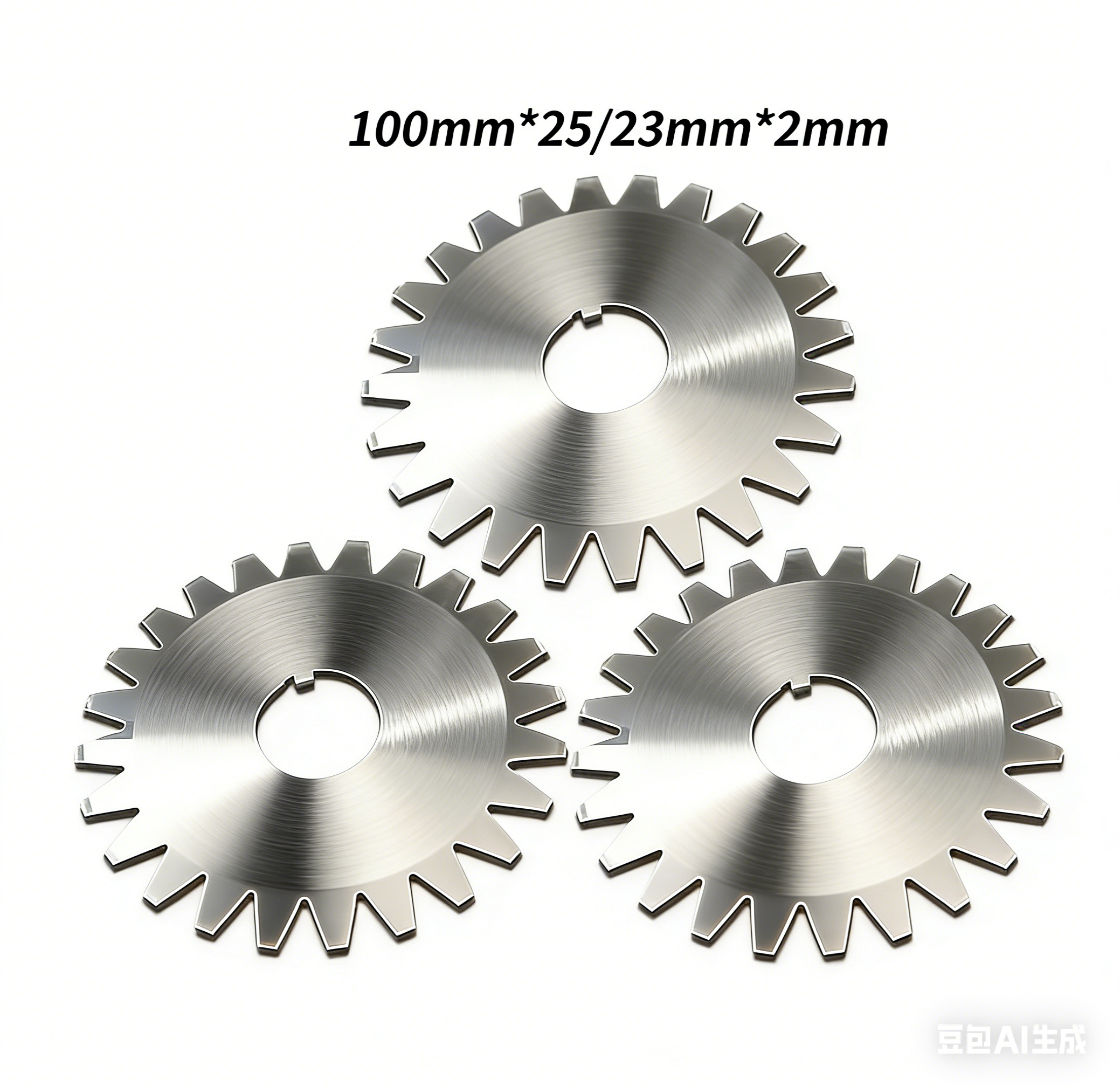
How Stainless Steel Blades Achieve Corrosion Resistance
Chromium’s Role in Forming the Protective Passive Film
Stainless steel blades resist rust not through inertness, but via active self-protection—centered on chromium. A minimum of 10.5% chromium by mass is required to enable formation of a continuous, nanoscale chromium oxide (Cr₂O₃) layer upon exposure to ambient oxygen. This passive film is dense, adherent, and electronically insulating—effectively isolating the iron-rich substrate from corrosive agents. Unlike porous rust on carbon steel, it blocks the electrochemical reactions that drive corrosion. Higher chromium content—such as the 16–18% found in grade 304—yields a thicker, more stable oxide, directly improving durability in humid or mildly acidic environments. That’s why a properly made stainless kitchen knife withstands repeated washing without pitting, while an unalloyed steel blade may show red rust overnight.
Self-Repair Mechanism of the Oxide Layer in Air and Moisture
The passive film’s defining advantage is its ability to self-repair. When scratched or abraded, exposed chromium atoms react instantly with atmospheric oxygen or moisture to regenerate the oxide layer—often within seconds—as long as oxygen is available. This dynamic healing allows stainless steel blades to remain corrosion-free during intermittent wet exposure, such as condensation inside a dishwasher. No external intervention is needed. However, repair fails in oxygen-starved microenvironments: under tightly adhered food residue, mineral scale, or in sealed crevices where diffusion is restricted. Keeping the blade surface clean and unobstructed ensures this natural regenerative mechanism functions reliably—preserving both edge integrity and corrosion resistance.
Key Alloying Elements That Enhance Stainless Steel Blade Performance
Beyond chromium, targeted alloying elements significantly elevate performance—particularly nickel and molybdenum.
Nickel for Austenite Stability and Uniform Corrosion Resistance
Nickel stabilizes the austenitic (face-centered cubic) crystal structure at room temperature and below, especially at concentrations above 8%. This uniform microstructure supports consistent formation of the chromium oxide passive film across the entire blade surface—ensuring predictable, homogeneous corrosion resistance. Nickel also improves toughness and ductility, counteracting the brittleness common in high-carbon tool steels. Crucially, it does not form carbides, so it never sequesters chromium from the matrix—maintaining local passivity. In chloride-containing environments, nickel helps suppress stress corrosion cracking, a failure mode that could otherwise cause sudden, catastrophic blade fracture.
Molybdenum for Superior Pitting Resistance in Harsh Environments
Molybdenum dramatically increases resistance to localized corrosion—especially pitting and crevice attack—in aggressive settings like seawater, saline processing, or industrial cleaning solutions. It strengthens the passive film by incorporating molybdate species (e.g., MoO₄²⁻) that inhibit chloride ion penetration and stabilize the oxide against breakdown. Even modest additions—2–3% in grades like 316—raise the critical pitting temperature and increase the Pitting Resistance Equivalent Number (PREN) substantially. For blades used in marine harvesting, desalination plants, or chemical handling, molybdenum is indispensable. It also enhances high-temperature strength and creep resistance. When combined with chromium and nickel, molybdenum acts synergistically—bolstering protection specifically where uniform corrosion resistance falls short: at vulnerable sites like scratches, deposits, or tight gaps.
Comparing Common Stainless Steel Blade Grades: 304, 316, and Martensitic Steels
Austenitic vs. Martensitic Microstructures: Trade-offs in Hardness and Corrosion Resistance
Stainless steel blade performance is fundamentally shaped by microstructure. Austenitic grades—including 304 and 316—feature a face-centered cubic lattice that delivers exceptional uniform corrosion resistance and good formability. But they cannot be hardened by conventional heat treatment; strength relies on cold working alone, limiting achievable hardness and edge retention. In contrast, martensitic grades like 410, 420, and 440C transform to a body-centered tetragonal structure upon rapid quenching, enabling heat treatment to exceed 55 HRC. This yields superior sharpness, wear resistance, and cutting efficiency—ideal for precision tools. The trade-off is clear: martensitic steels prioritize mechanical performance at the expense of corrosion resistance, while austenitic steels emphasize environmental resilience over edge longevity. Grade 316 improves upon 304’s pitting resistance with molybdenum—but remains low-carbon and austenitic, so it still cannot match the hardness of martensitic alternatives.
Real-World Limitations of Stainless Steel Blades in Demanding Conditions
Sensitization and Intergranular Corrosion Risks During Heat Treatment
Heat treatment or welding can compromise corrosion resistance if stainless steel blades are held between 450 °C and 850 °C for extended periods—a condition known as sensitization. Within this range, carbon and chromium combine to form chromium carbides along grain boundaries, depleting adjacent zones of the chromium required to sustain the passive film. The result is intergranular corrosion: localized attack proceeds rapidly along grain edges, often with little visible surface change—yet severely undermining structural integrity. Even in mild service conditions, a sensitized blade may fail prematurely. To mitigate this, manufacturers use low-carbon variants (e.g., 304L) or add stabilizing elements like titanium or niobium. For any blade subjected to thermal cycling, strict control of heating rates, dwell times, and cooling profiles is essential to preserve uniform corrosion resistance.
Performance in Saltwater and Coastal Environments: Why Grade 316 Is Preferred
Chloride ions in salt-laden air, seawater, or coastal mist aggressively challenge stainless steel’s passive film. Grade 304—lacking molybdenum—is vulnerable to pitting and crevice corrosion under these conditions. Grade 316, with its 2–3% molybdenum content, offers markedly superior resistance to localized chloride attack, making it the preferred choice for marine tools, fish processing equipment, and coastal infrastructure. Its higher PREN and elevated critical pitting temperature translate directly into longer service life and reduced maintenance costs. Still, 316 is not impervious: prolonged immersion in stagnant seawater or exposure to highly concentrated chloride solutions (e.g., evaporated brine) can overwhelm its defenses. Practical mitigation includes rinsing with fresh water after salt exposure and thorough drying—simple steps that support the blade’s inherent self-repair capability. Selecting the right grade for the operating environment remains the most effective strategy for ensuring long-term reliability.
FAQ
What makes stainless steel corrosion-resistant?
Stainless steel’s corrosion resistance comes from its chromium content, which helps form a protective chromium oxide layer. This passive film isolates the iron-rich substrate from corrosive agents, preventing rust.
How does the oxide layer repair itself?
When scratched, the exposed chromium atoms quickly react with atmospheric oxygen or moisture, regenerating the oxide layer. This ability ensures stainless steel remains corrosion-resistant under normal conditions.
Why is molybdenum important in stainless steel blades?
Molybdenum improves resistance to localized corrosion, like pitting and crevice attacks, especially in chloride-rich environments such as seawater. It also enhances high-temperature strength and creep resistance.
What is the difference between austenitic and martensitic stainless steel?
Austenitic stainless steels, like 304 and 316, offer high corrosion resistance but cannot be hardened by heat treatment. Martensitic stainless steels, such as 410 or 440C, are hardenable, providing superior sharpness and wear resistance but lower corrosion protection.
Why is grade 316 preferred for saltwater environments?
Grade 316 contains 2–3% molybdenum, which significantly improves resistance to pitting and crevice corrosion caused by chloride ions, making it ideal for coastal and marine applications.