
 EN
EN
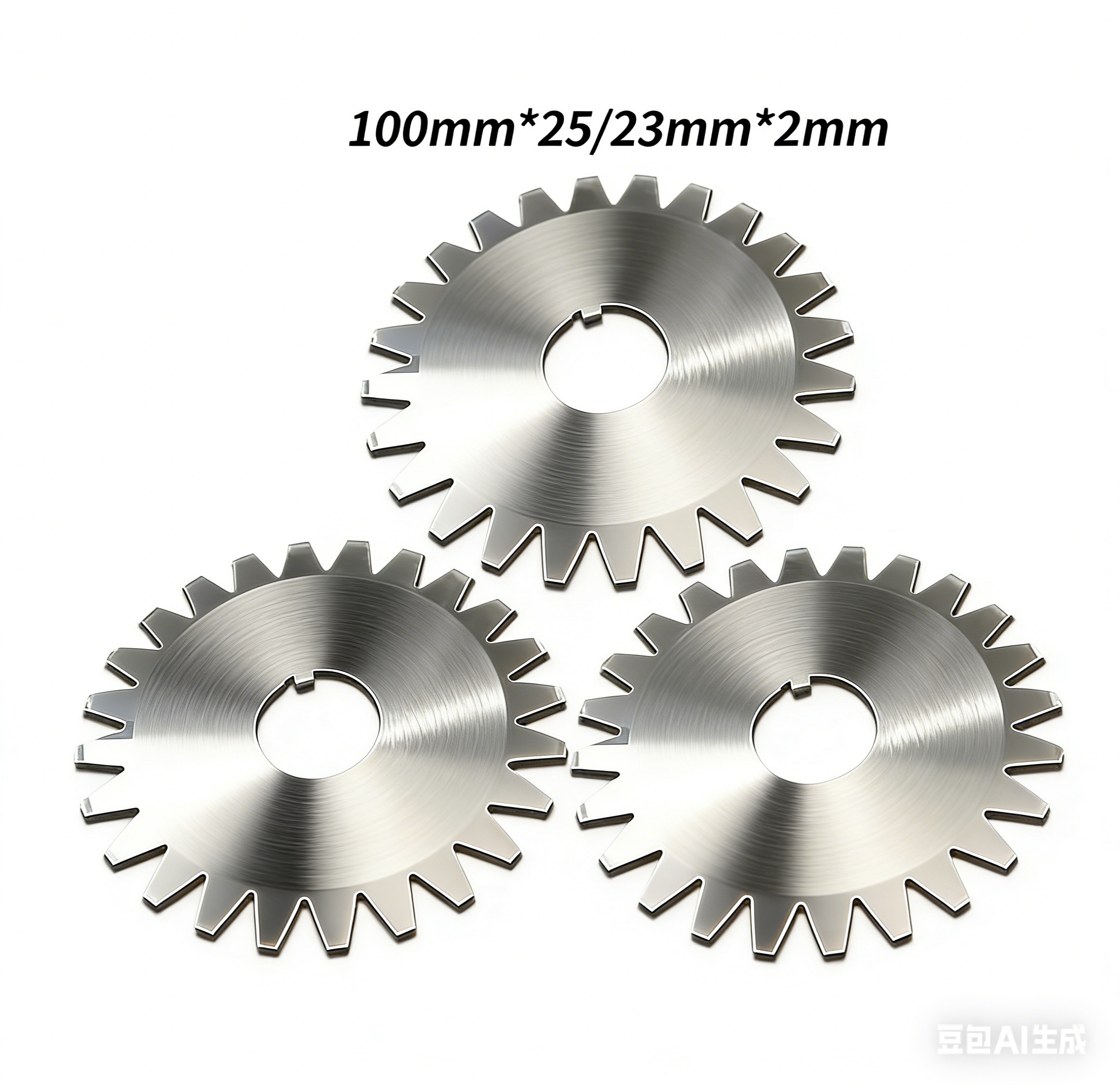
Key Engineering Features of High-Performance Industrial Blades
In modern automated production, an industrial machine knife is far more than a simple sharpened strip of steel. It is a critical component operating under intense mechanical force, high rotational speeds, continuous friction, and harsh environmental conditions. The operational reliability, cut quality, and service lifespan of an industrial knife depend on a distinct combination of metallurgical properties, precision machining techniques, and protective surface treatments.
Identifying the key features that separate mediocre blades from high-performance industrial knives allows procurement managers and plant engineers to minimize equipment downtime, reduce scrap rates, and optimize production efficiency.
1. Premium Metallurgy and Material Selection
The foundational feature of any high-quality industrial blade is the chemical composition and purity of its base alloy. Using sub-standard steel compromises structural integrity before the blade even enters service.
Material Grade Classifications
-
Food-Grade Stainless Steels (304, 316, 440C): Essential for direct food contact applications. Grades like 304 and 316 offer exceptional resistance to organic acids and moisture, while martensitic 440C provides higher carbon content for enhanced edge retention in high-speed meat, produce, and bakery processing.
-
High-Strength Alloy and Tool Steels (D2, SKD11, HSS): Widely utilized in high-impact industrial applications such as paper slitting, packaging converting, textile cutting, and recycling. High-speed steels (HSS) and cold-work tool steels deliver a robust combination of hardness and impact toughness.
-
Tungsten Carbide (Cemented Carbide): Manufactured via powder metallurgy, solid carbide or carbide-tipped blades offer unmatched hardness and wear resistance. They are selected for high-speed, abrasive cutting environments involving flexible packaging, film slitting, and dense synthetic materials.
2. Professional Heat Treatment and Microstructure Control
A premium steel alloy cannot perform without proper thermal processing. Heat treatment transforms the internal crystalline structure of the steel, establishing the necessary balance between hardness, tensile strength, and toughness.
Critical Thermal Processing Stages
-
Quenching: The blade is heated to critical austenitizing temperatures and rapidly cooled in controlled mediums (oil, gas, or molten salt). This process hardens the steel matrix.
-
Cryogenic Processing: Ultra-low temperature treatment (below -150°C) converts retained austenite into martensite, improving dimensional stability, micro-hardness, and overall wear resistance.
-
Tempering: Reheating the quenched blade relieves internal mechanical stresses and adjusts the final Rockwell Hardness (HRC). Proper tempering prevents brittle edge chipping under impact loads.
Technical Rule: A superior industrial blade maintains a consistent Rockwell Hardness rating (e.g., HRC 56–60 for stainless steel, HRC 60–65 for high-speed tool steel) across its entire body, preventing soft spots and localized structural failure.
3. CNC Precision Grinding and Micron-Level Tolerances
Even the finest heat-treated steel alloy will fail to cut efficiently if the edge geometry and dimensional tolerances are inaccurate. Precision CNC grinding converts raw hardened steel into an exact, highly stable cutting tool.
Precision Grinding Parameters
| Performance Metric | Standard/Conventional Grinding | Advanced CNC Precision Grinding |
| Edge Profile Error | Greater than 0.05 mm | Less than 0.005 mm |
| Surface Roughness (Ra) | 0.8 to 1.6 microns | Below 0.2 microns (Mirror Polish) |
| Thickness Tolerance | Variable across blade length | Controlled to micron limits |
| Dynamic Balance | Unverified | 100% Tested for high-speed stability |
Eliminating Micro-Burrs
Conventional grinding leaves jagged micro-burrs along the cutting tip. Under mechanical pressure, these burrs collapse, causing immediate micro-chipping and ragged material cuts. Multi-axis CNC grinding uses ultra-fine diamond or CBN wheels to gently polish the edge into a continuous, pristine line, removing stress concentration points and ensuring consistent material separation.
4. Edge Retention and Wear Resistance
In continuous manufacturing, a blade’s value is directly tied to how long it stays sharp. Frequent blade changes interrupt production, increase labor costs, and create unnecessary material scrap.
Factors Driving Extended Edge Life
-
Carbide Distribution: Uniform distribution of fine vanadium, molybdenum, or tungsten carbides within the steel matrix provides abrasive wear resistance.
-
Optimized Edge Geometry: Correct bevel angles, clearance angles, and edge radii tailored to specific substrates prevent premature edge rolling or snapping.
-
Thermal Friction Reduction: Smooth, precision-ground side faces reduce frictional heat during high-speed cutting, preventing thermal softening at the cutting tip.
5. Specialized Surface Treatments and Passivation
Environmental exposure to moisture, corrosive cleaning chemicals, or sticky adhesives can degrade an untreated blade body. Protective surface engineering enhances corrosion resistance and reduces material drag.
Key Surface Engineering Methods
-
Chemical Surface Passivation: Critical for food processing equipment. Acidic passivation dissolves free iron contaminants from the steel surface, establishing a protective chromium oxide layer that prevents rust and pitting.
-
Physical Vapor Deposition (PVD) Coatings: Thin-film ceramic coatings such as Titanium Nitride (TiN), Titanium Carbonitride (TiCN), or Chromium Nitride (CrN) increase surface hardness beyond 70 HRC, dramatically reducing surface friction and adhesive buildup.
-
Anti-Rust Oils and Polymer Sealants: Applied for industrial slitting and converting blades to protect components during transit and storage.
6. Manufacturing Consistency and Quality Assurance
A single defective blade in a multi-blade arbor or automated packaging line can stop an entire facility. High-performance industrial knives must demonstrate total batch-to-batch repeatability.
Quality Verification Protocols
-
100% Dimensional Inspection: Verifying outer diameter, inner mounting bore, thickness, and flatness using optical measuring projectors and laser micrometers.
-
Hardness and Metallurgy Testing: Confirming HRC hardness values across multiple test points on every production lot.
-
Dynamic Balancing: Ensuring circular saw blades and rotary slitters operate without eccentricity or vibration at high RPMs.
Table of Contents
- Key Engineering Features of High-Performance Industrial Blades
- 1. Premium Metallurgy and Material Selection
- 2. Professional Heat Treatment and Microstructure Control
- 3. CNC Precision Grinding and Micron-Level Tolerances
- 4. Edge Retention and Wear Resistance
- 5. Specialized Surface Treatments and Passivation
- 6. Manufacturing Consistency and Quality Assurance