
 EN
EN
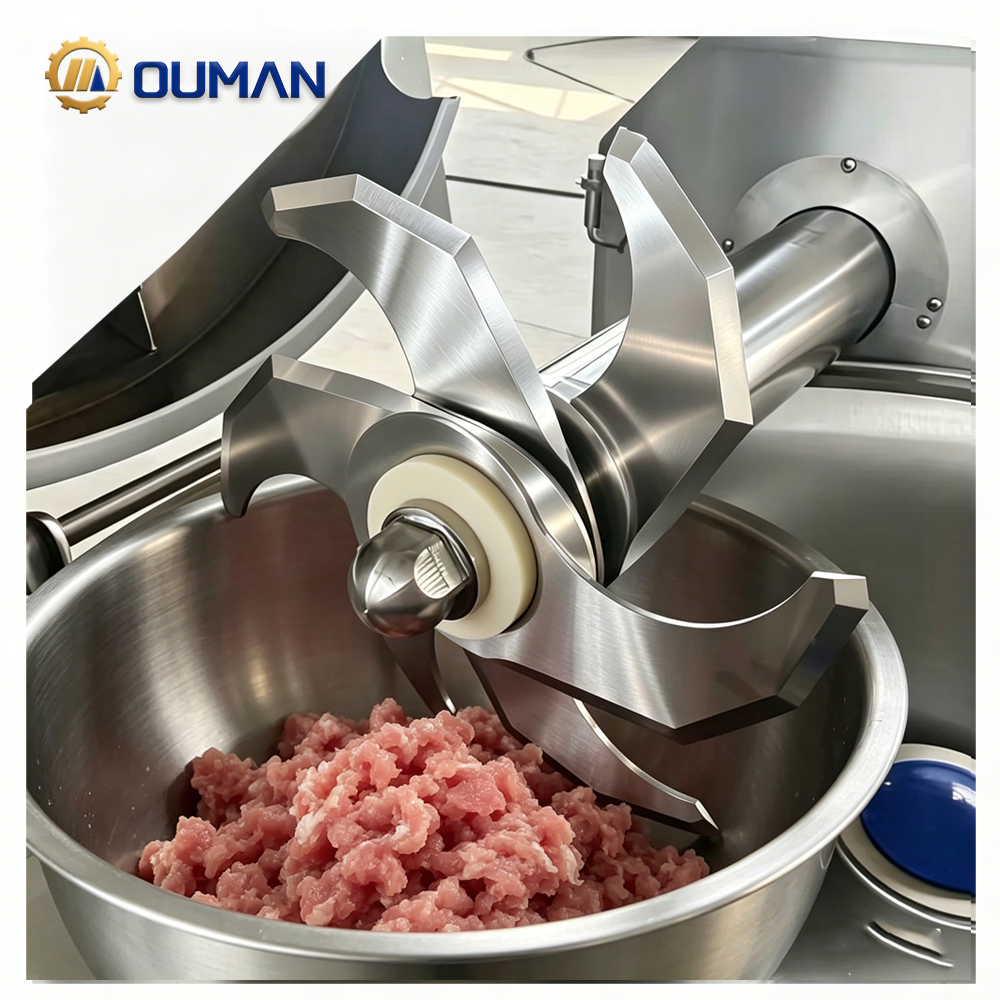
Engineering Guide: Selecting Industrial Blades for Food Processing
In commercial food processing, selecting the right industrial machine knife is one of the most critical decisions affecting product yield, operational throughput, and food safety compliance. A single processing plant might handle fresh poultry, frozen beef, crusty artisan bread, and delicate leafy greens. Attempting to use a single blade type across diverse applications leads to inconsistent cuts, excessive product waste, rapid edge degradation, and potential hygiene violations.
This guide provides a comprehensive technical breakdown of how to evaluate blade materials, surface finishes, edge geometries, and operational parameters to optimize food cutting operations.
1. Material Selection: Safety, Metallurgy, and Food-Grade Certification
The foundation of any food contact blade is its underlying steel alloy. Food processing knives are subject to harsh environments, including acidic organic juices, high-moisture atmosphere, extreme temperature shifts, and aggressive chemical cleaning agents.
Key Food-Safe Cutting Alloys
-
304 and 316 Austenitic Stainless Steels: These alloys provide exceptional corrosion resistance and rust-proof characteristics. They are easy to sanitize and highly resistant to organic acids found in fruits, vegetables, and meats. They are ideal for general slicing, bakery applications, and high-moisture environments.
-
440C Martensitic Stainless Steel: Combining high carbon content with substantial chromium, 440C achieves impressive Rockwell hardness (HRC 56–60) after heat treatment while retaining solid corrosion resistance. It is recommended for precision dicing, high-speed slicing, and heavy-duty meat processing where edge retention is paramount.
-
Tungsten Carbide Alloys: Formed through powder metallurgy, solid tungsten carbide or carbide-tipped blades offer extreme wear resistance and hardness. They excel in high-abrasion applications, continuous frozen protein processing, and heavy bone-in cutting where traditional stainless steel edges chip or dull prematurely.
Regulatory Compliance: All food contact blades must comply with international food safety frameworks, such as HACCP, FDA regulations, and ISO standards. Non-certified metals risk leaching heavy metals, rusting into food batches, or releasing microscopic metal fragments during high-impact operation.
2. Surface Engineering, Passivation, and Hygienic Design
Hygiene in food manufacturing is determined not only by cleaning schedules but also by the microscopic surface characteristics of the cutting tools themselves.
Eliminating Surface Micro-Pores
Roughly ground or unpolished blades contain microscopic pits, gouges, and fissures. Food residues, fats, and moisture become trapped within these micro-structures, creating breeding grounds for bacterial colonies such as Listeria, Salmonella, and E. coli. Precision CNC grinding produces non-porous, mirror-polished surfaces (surface roughness Ra values under 0.2 microns) that resist organic adhesion and allow thorough chemical washdowns.
Chemical Passivation Treatment
Passivation is a critical chemical process applied to stainless steel food processing blades. During passivation, free iron is removed from the metal surface using an acid solution. This leaves a chromium-rich surface layer that spontaneously reacts with oxygen to form a continuous, passive chromium oxide film. This passive layer provides key benefits:
-
Prevents chemical corrosion from chlorine-based and alkaline sanitizers.
-
Prevents oxidation and pitting when exposed to salty broths or acidic marinades.
-
Ensures zero metallic taste or ion transfer to processed food items.
3. Matching Edge Geometries to Food Properties
Food products vary significantly in density, texture, moisture content, and structural elasticity. Selecting the correct edge profile ensures clean separation without crushing or tearing the cellular matrix.
Application Matching Matrix
-
Fresh Meat and Poultry: Requires smooth, precision-ground straight or circular blades made from cryogenic-treated 440C stainless steel (HRC 56–58). The razor-sharp edge minimizes cell rupture, blood loss, and protein tearing, directly increasing final product yield and shelf appearance.
-
Frozen Meat and Bone-In Cutting: Demands high-toughness tool steel or tungsten carbide alloys with reinforced, heavy-beveled edges. The blade geometry prioritizes shock resistance over extreme razor-sharpness to prevent micro-chipping under impact loads.
-
Bakery and Confectionery: Requires 304 or 316 stainless steel blades featuring specialized serrated or scalloped tooth profiles. Serrations allow the blade to penetrate tough outer crusts without compressing delicate interior crumb structures.
-
Produce and Leafy Greens: Uses fine-beveled, ultra-sharp 304 stainless steel knives. Sharp, thin profile edges slice cleanly through plant cell walls, reducing browning, moisture loss, and cell bruising.
4. Operational Economics and Maintenance Best Practices
The true cost of an industrial blade extends beyond its initial purchase price. Factoring in downtime, resharpening frequency, product scrap rates, and labor yields a complete total cost of ownership picture.
Key Operational Strategies
-
Application-Specific Rotation: Maintain dedicated blade sets for specific food lines. Never mix fresh protein blades with frozen or vegetable equipment.
-
Standardized Washdown Protocols: Avoid harsh hydrochloric or high-concentration chlorine cleaners that strip protective passive oxide layers. Use pH-neutral or mild alkaline sanitizers followed by immediate compressed-air drying.
-
Preventative Replacement Cycles: Track tonnage cut per blade set and establish scheduled rotations for sharpening before catastrophic dulling occurs.
-
Buffer Stocking: Maintain pre-inspected, passivated spare blade sets in moisture-controlled storage to eliminate emergency downtime.