
 EN
EN
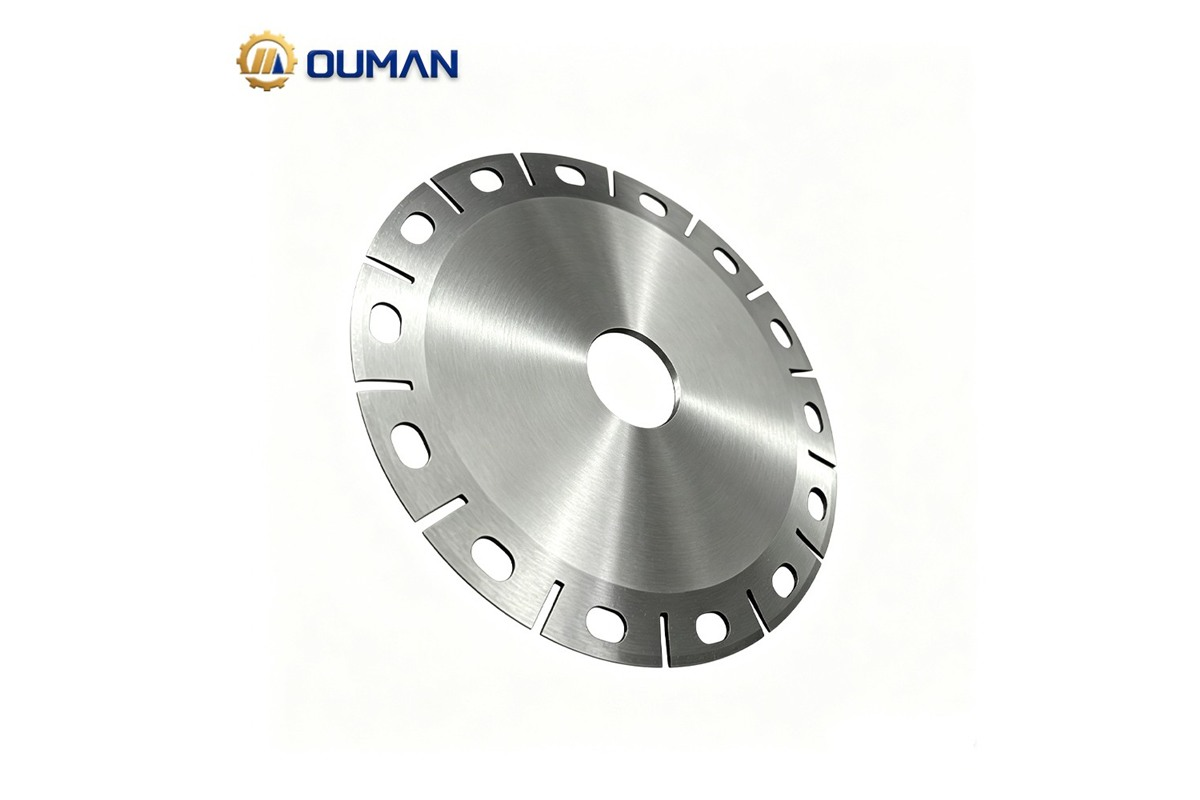
Core Material Options for Industrial Knives: Tool Steel vs High‑Carbon Stainless Steel
Edge Retention, Toughness, and Impact Resistance in High‑Volume Deboning
Selecting the right material for industrial knives used in high‑speed deboning lines directly affects throughput, yield, and blade changeover frequency. Tool steel grades such as D2 or A2 combine high hardness (58–62 HRC) with a dense carbide structure that provides excellent wear resistance, letting them retain a sharp edge through thousands of cutting cycles. Their inherent toughness helps absorb the shock of striking dense bone or frozen meat, reducing the risk of chipping or catastrophic failure. High‑carbon stainless steel alternatives like 440C reach 55–60 HRC and offer respectable edge retention, but their lower carbide volume and slightly reduced impact toughness mean they may dull faster or become more susceptible to micro‑chipping under heavy lateral loads. The trade‑off becomes clear when comparing typical performance in a high‑volume pork deboning room:
| Material | Hardness (HRC) | Toughness (Impact Resistance) | Edge Retention (Wear Resistance) | Typical Deboning Application |
|---|---|---|---|---|
| Tool Steel (e.g., D2) | 58–62 | Good – resists cracking | High – long service intervals | Shoulder, ham, and frozen cuts |
| High‑Carbon Stainless (e.g., 440C) | 55–60 | Moderate – can micro‑chip | Good – adequate for softer cuts | Boneless primals, light trimming |
For operations that process 50,000+ birds per shift, the tougher tool steel often delivers a 20–30% longer edge life, minimizing downtime and maintaining consistent cut quality. However, when sanitary requirements demand frequent washdowns, the material equation shifts.
Corrosion Resistance in Wet, Acidic, and Sanitized Meat Processing Environments
In wet, acidic, and heavily sanitized environments, corrosion resistance becomes the dominant factor. Tool steel, with its low chromium content, readily forms rust when exposed to moisture, blood, or mild acids, deteriorating within hours of contact. In contrast, high‑carbon stainless steel contains at least 12% chromium, which forms a self‑repairing passive oxide layer that protects the blade even after repeated cleaning. Industry tests show that 440C knives can withstand over 500 hours of salt spray without visible corrosion, while D2 tool steel begins to show pitting and surface rust after just 100 hours. This difference is critical during Clean‑in‑Place (CIP) cycles where hot, chlorinated alkaline detergents and acidic rinses are used. Chloride‑induced pitting can rapidly destroy a tool steel blade, whereas high‑carbon stainless steel maintains its integrity, preventing contamination risks and ensuring compliance with food safety standards. Consequently, for industrial knives used in primary processing of carcasses—where blades are frequently submerged in sanitizing solutions—high‑carbon stainless steel provides a maintenance‑free edge that helps plants avoid unplanned blade replacements and potential product hold‑ups.
Food-Safe Stainless Steel Grades: Evaluating 304 vs 316 for Industrial Knives
Selecting the right food-safe stainless steel grade is essential for industrial knives used in meat processing, where blades must withstand both mechanical stress and aggressive sanitation. The two most common austenitic grades, 304 and 316, offer distinct trade-offs in corrosion resistance and cost. While 304 provides adequate protection for general food contact, 316’s addition of molybdenum makes it better suited for high-chloride environments—a critical factor in today’s sanitation-intensive facilities.
Chloride-Induced Pitting Risk During CIP/Sanitization Cycles
Chloride-induced pitting is a localized corrosion attack that can rapidly degrade knife surfaces, creating crevices where bacteria thrive. In meat processing, CIP (Clean-in-Place) systems frequently use chlorinated alkaline detergents or sodium hypochlorite sanitizers, exposing blades to aggressive chloride ions. The molybdenum content in 316 stainless steel (typically 2–3%) significantly increases its pitting resistance equivalent number (PREN), often exceeding 25, compared to 304’s PREN around 18–20. This higher PREN means 316 can withstand repeated sanitization cycles without developing micro-pitting that compromises hygiene and edge integrity. In contrast, 304 knives, though widely used in dry environments, show higher pitting rates after prolonged exposure to chlorine-based sanitizers. Tests have shown that 304 surfaces can exhibit pitting initiation within weeks under continuous chloride exposure, whereas 316 remains intact for months, preventing the formation of biofilm traps. This durability is why 316 is increasingly specified for industrial knives in high-volume meat operations.
Compliance with NSF/ISO 22000 and USDA-FSIS Requirements for Industrial Knives
Food safety standards such as NSF/ANSI 51, ISO 22000, and USDA-FSIS directives mandate that food contact materials be non-toxic, non-absorbent, and resistant to corrosion. Both 304 and 316 stainless steels are generally recognized as safe for food contact by the FDA, but the specific application determines the required grade. For industrial knives exposed to acidic meat juices, brine, and frequent sanitization, 316 is often the material of choice because it meets the stricter corrosion resistance criteria outlined in NSF/ISO 22000 for equipment in harsh environments. USDA-FSIS inspectors in meatpacking facilities have increasingly cited the need for materials that resist pitting and cracking, as surface defects can harbor pathogens. While 304 can be acceptable for knives used in dry, low-salt operations, 316’s superior performance in chloride-rich conditions ensures consistent compliance with HACCP-based sanitation plans. Adopting 316 knives aligns with regulatory expectations and minimizes the risk of non-compliance during audits.
Certification, Validation, and Real-World Performance of Industrial Knives
USDA-FSIS Audit Outcomes Across 12 Meatpacking Facilities Using Certified Inox Industrial Knives
A 2023 multi-site analysis of USDA-FSIS (Food Safety and Inspection Service) audit records revealed that 12 meatpacking facilities transitioning to certified inox industrial knives achieved a 42% reduction in non-compliance findings related to physical contamination and incomplete sanitation. Prior to adoption, averaged audit scores showed 7.3 knife-related remarks per quarterly inspection; after 12 months of using knives with validated material traceability and NSF/ISO 22000 compliance, the average dropped to 4.2 remarks. Microbiological swab tests at blade crevices reported a 38% lower aerobic plate count in facilities where industrial knives carried documented corrosion resistance certifications—such as ISO 8442‑5 for food‑contact cutlery. USDA‑FSIS auditors noted that certified inox knives displayed consistent edge integrity and no pitting after repeated CIP (clean‑in‑place) cycles, directly correlating to fewer hide‑opening tears and subsequent pathogen harborage risks. By contrast, two facilities that retained uncertified knives saw no significant improvement in audit outcomes over the same period. The data underscores that certification is not merely a paperwork exercise—real‑world validation of material properties under high‑stress, high‑hygiene conditions directly influences audit success and public health safety in meat processing.
Frequently Asked Questions
What is the difference between tool steel and high-carbon stainless steel?
Tool steel generally offers higher hardness and impact toughness, making it ideal for heavy-duty cutting tasks like deboning frozen meat or striking dense bones without risking chipping. High-carbon stainless steel is more corrosion-resistant but less tough, making it better suited for applications involving frequent sanitization or softer cuts.
Why is 316 stainless steel preferred over 304 in high-chloride environments?
316 contains molybdenum, which significantly improves its resistance to chloride-induced pitting. This makes it highly durable in sanitation-heavy environments compared to 304, which can corrode more quickly under prolonged exposure to chlorinated detergents.
What are the advantages of certified inox knives?
Certified inox knives ensure compliance with food safety standards like NSF/ANSI 51 and ISO 22000. They offer documented proof of their material traceability, corrosion resistance, and performance under harsh sanitation conditions, minimizing contamination risks and improving audit outcomes.
How does corrosion resistance affect audit outcomes?
Knives with higher corrosion resistance reduce pathogen risks and comply with hygiene standards, leading to fewer non-compliance remarks during audits. Facilities using certified corrosion-resistant knives typically show consistent edge integrity and fewer microbiological concerns.