
 EN
Functional Performance: Precision, Lifespan, and Material Compatibility of Industrial Blades
How Edge Geometry and Tolerances Drive Real-World Cutting Efficiency
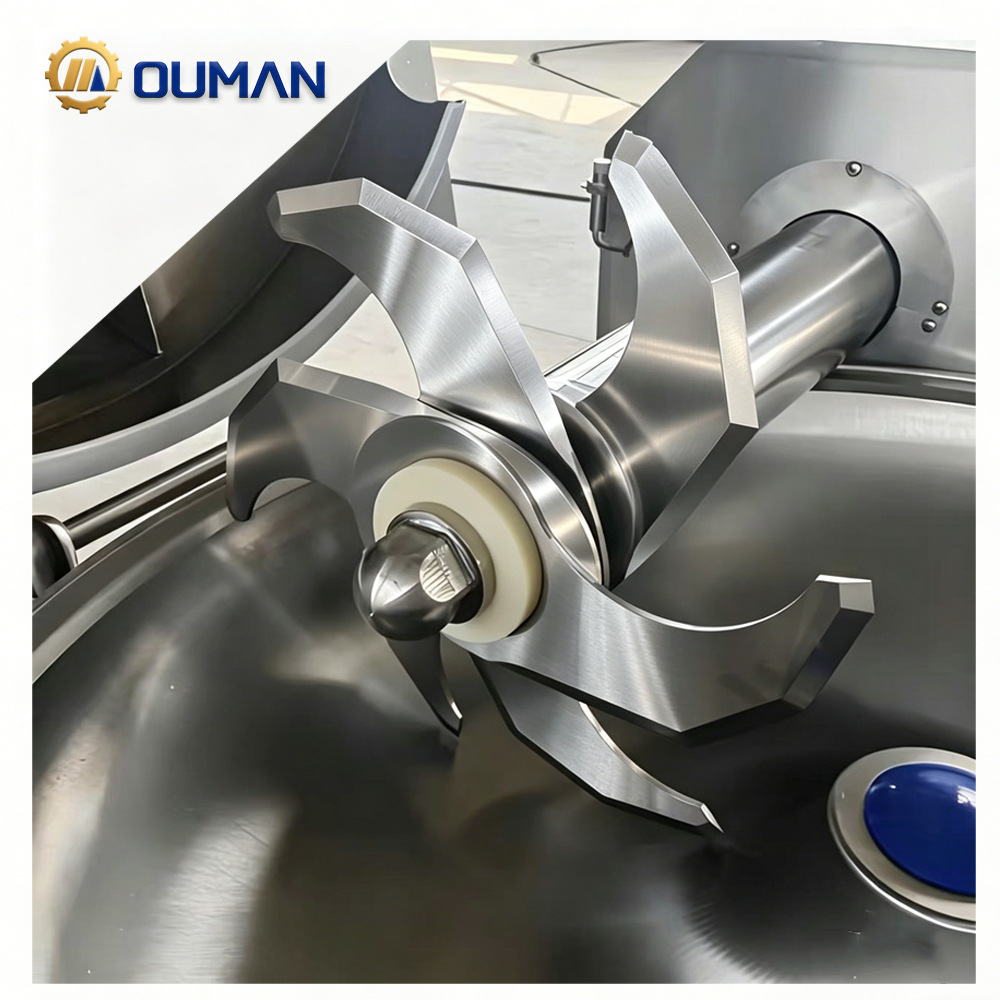
The cutting edge’s angle, profile, and sharpness directly govern how industrial blades interact with materials. A narrower edge angle reduces force requirements for softer substrates, while reinforced geometry resists chipping under impact. Manufacturing tolerances—especially ±0.01 mm precision—translate theoretical design into consistent performance: uniform cut quality, reduced vibration, and lower motor strain. In contrast, broader tolerances in standard blades cause drift over production runs, accelerating wear and yielding inconsistent, ragged edges. This forces operators to slow line speeds or accept higher scrap rates. Optimized edge profiles also improve chip formation and material flow, clearing debris efficiently to prevent heat buildup and blade deformation. Ultimately, exacting tolerances and purpose-built edge design extend service life, cut energy consumption by up to 15 %, and sustain predictable throughput—a measurable advantage on high-volume lines where every micrometer affects output.
Matching Blade Specifications to Substrate Challenges (e.g., Composites, Abrasive Metals)
Abrasive alloys packed with hard particles rapidly blunt conventional steel edges; carbide-tipped blades resist erosion and maintain sharpness up to five times longer. Composite stacks delaminate when tooth pitch or hook angle is mismatched—application-specific geometries shear cleanly without pulling fibers. Coating selection matters critically: titanium nitride reduces friction and heat on sticky metals, while ceramic coatings withstand sustained high-temperature operation. Standard catalog blades rarely account for these variables, leading shops to tolerate frequent changeovers or compromised part quality. Testing blade material, hardness, and coating against the exact substrate—not just generic categories—prevents micro-chipping and uneven wear. When specifications align with the substrate’s hardness, abrasiveness, and thermal behavior, maintenance intervals widen, scrap rates fall, and integration becomes seamless—without post-installation tuning.
Design & Engineering Rigor: Generic Standardization vs. Application-Specific Industrial Blades
From Off-the-Shelf Catalogs to Finite Element Analysis in Custom Blade Development
Standard catalog blades offer quick availability but rely on generic geometries that cannot adapt to specific stress patterns, thermal loads, or substrate variability. Custom industrial blades begin with digital engineering: finite element analysis (FEA) simulates cutting forces, vibration modes, and heat distribution before any steel is cut. This data-driven approach enables precise refinement of edge profiles, relief angles, and mounting features for the exact machine–material pairing. A 2023 study published in the Industrial Cutting Technology Journal found that over 70% of manufacturers adopting ISO-certified blade production methods achieved a 30% improvement in cutting precision and a 25% reduction in maintenance costs. Leading custom manufacturers go further—embedding proprietary material models and real-world wear data directly into the design phase. The result is a blade engineered to match the substrate’s hardness, abrasiveness, and chip-formation behavior from the first cut. Tolerances tighten to single-digit micron levels, and compound edge geometries are validated virtually against the customer’s process parameters. Such rigor transforms the blade from a consumable into a performance-optimized component—reducing scrap, extending service life, and eliminating the compromises inherent in off-the-shelf solutions.
Why ‘Standard’ Industrial Blades Often Demand Post-Installation Tuning
Off-the-shelf blades rarely mount perfectly on first installation. Minor bore or thickness variances force operators to add shims, adjust clamping pressure, or regrind edges before production begins—wasting hours and introducing runout errors that accelerate wear. Custom blades engineered from original machine drawings eliminate this tuning cycle. Pre-matched mounting dimensions, concentricity below 0.02 mm, and integrated balancing features ensure bolt-on readiness. By removing manual adjustments, custom solutions cut setup time, reduce early-life chipping risk, and preserve full cutting capacity from day one. The hidden costs of post-install tuning—labor, downtime, inconsistent cut quality—often exceed the higher upfront price of a custom blade within the first few production runs.
Operational Realities: Lead Times, Inventory, and Production Integration
Lead time instability directly disrupts production flow: a McKinsey survey found 93% of manufacturers experienced supply chain disruptions in the last five years, primarily due to unpredictable lead times. When selecting industrial blades, this unpredictability forces a trade-off between immediate availability and engineered fit. Standard catalog blades ship within days, supporting just-in-time inventory—but mismatches with abrasive metals or composites often accelerate wear and trigger more frequent line stops. Custom-engineered blades typically require 8–12 weeks for design and fabrication, demanding deliberate buffer stock or planned outage windows. Yet they arrive dimensionally tuned to the machine, cutting average changeover time from hours to minutes.
Inventory profiles differ markedly. Standard blades encourage carrying numerous SKUs across cutting stations—raising carrying costs and risking obsolescence when material grades evolve. Custom blades consolidate that variety into a single optimized SKU per machine, though longer replenishment cycles require precise demand forecasting and strong supplier synchronization. Production integration reflects the same divide: standard blades often demand shimming, alignment checks, and trial cuts before stable throughput; custom blades fit holders and drive tangs without adjustment, enabling seamless startup and tighter process control. While the standard path appears faster on paper, unplanned downtime and scrap often tilt the operational advantage toward a well-planned custom solution.
Total Cost of Ownership: Evaluating ROI Across Downtime, Scrap, and Maintenance
Quantifying Hidden Costs—When Custom Industrial Blades Reduce Lifetime Expense
The purchase price of industrial blades often represents only 20–40% of their true lifecycle cost. A complete Total Cost of Ownership (TCO) model includes acquisition, installation, energy, maintenance, downtime, scrap, and disposal. Standard blades often masquerade as bargains: each minute of unplanned downtime can cost a facility up to $22,000 (2023 manufacturer survey), and poor cutting precision may generate scrap rates exceeding 5% of total output. Custom blades tackle these hidden expenses by aligning edge geometry and substrate compatibility to the specific application—whether slicing abrasive metals or composite laminates. This precision extends blade life two to three times, reduces line stoppages, and cuts scrap dramatically. Over a five-year period, a custom blade lasting three times longer than a generic alternative can deliver a 15–20% lower TCO—even after accounting for its higher initial investment. When factoring in reduced maintenance labor, lower spare-part inventory, and consistent throughput, the financial case for customization becomes clear: it transforms blade selection from a commodity buy into a strategic cost-reduction lever.
FAQ Section
What factors affect the cutting efficiency of industrial blades?
Edge geometry, angle, sharpness, and manufacturing tolerances significantly impact cutting efficiency. Narrow edge angles reduce force requirements, while optimized profiles improve material flow and debris clearance.
Why are custom industrial blades more beneficial than standard catalog blades?
Custom blades are engineered for precise machine-material pairing, reducing setup time, downtime, and scrap rates. Unlike standard blades, which often require post-installation tuning, custom blades ensure consistency and long-term cost savings.
What are the key advantages of using custom blades?
Custom blades offer better substrate compatibility, longer service life, reduced maintenance, and lower total cost of ownership. They are specifically designed to match the hardness and abrasiveness of the materials being processed.
How does lead time impact blade selection?
Lead times determine whether companies can opt for custom blades or need to rely on standard blades for immediate use. Custom blades often require 8-12 weeks but reduce long-term operational disruptions, while standard blades offer quick availability at the cost of frequent replacements and adjustments.
Table of Contents
- Functional Performance: Precision, Lifespan, and Material Compatibility of Industrial Blades
- Design & Engineering Rigor: Generic Standardization vs. Application-Specific Industrial Blades
- Operational Realities: Lead Times, Inventory, and Production Integration
- Total Cost of Ownership: Evaluating ROI Across Downtime, Scrap, and Maintenance
- FAQ Section