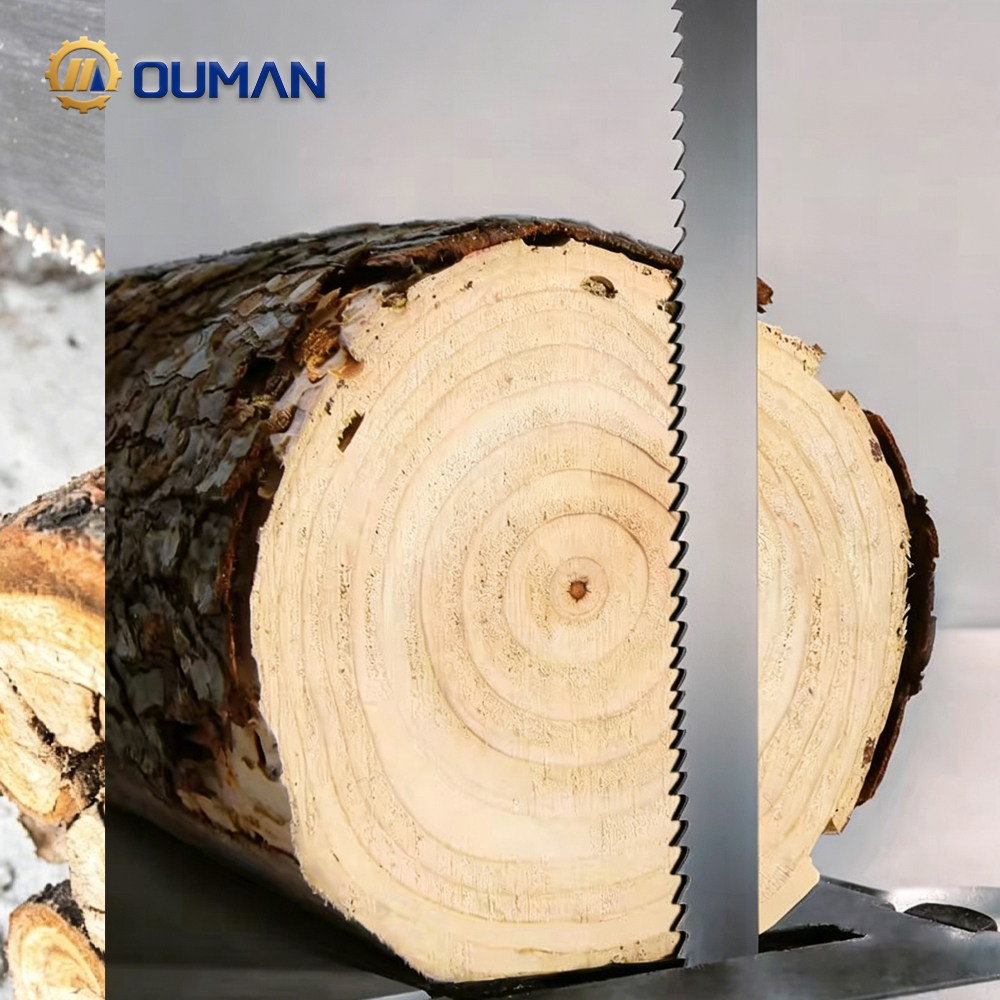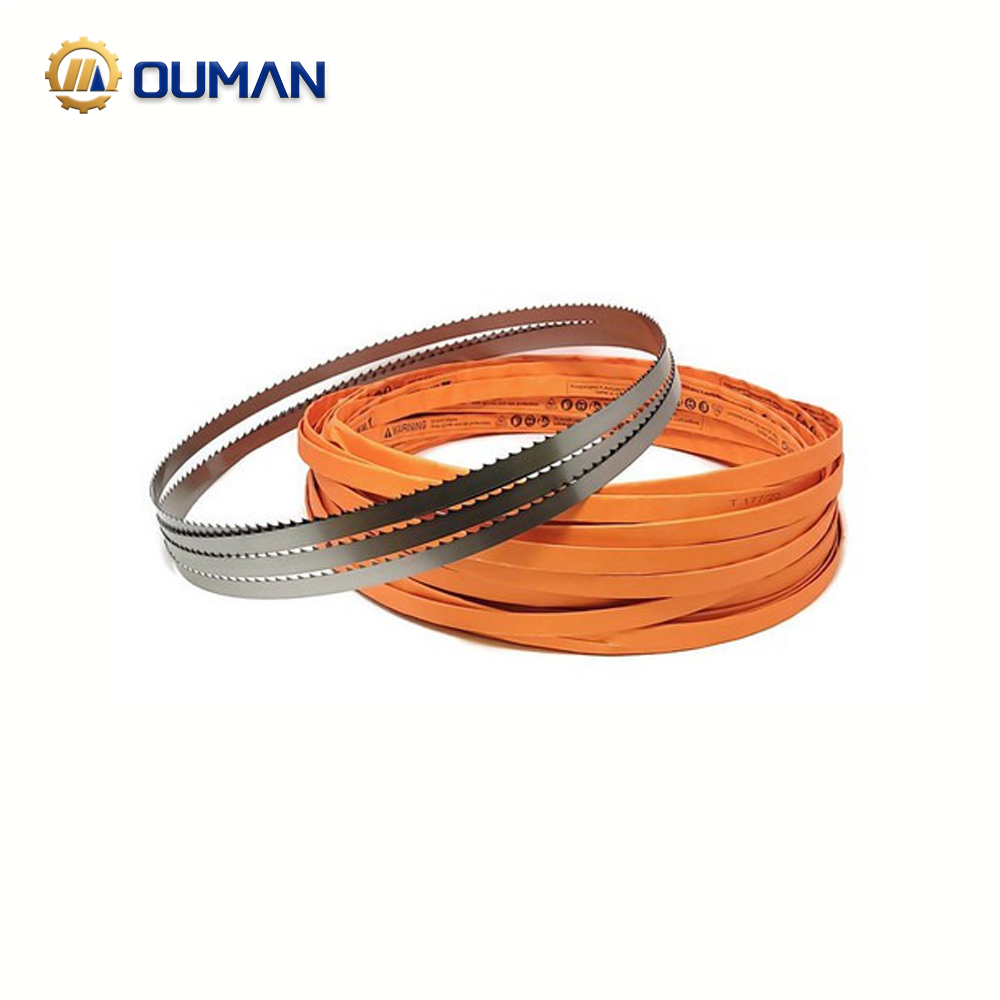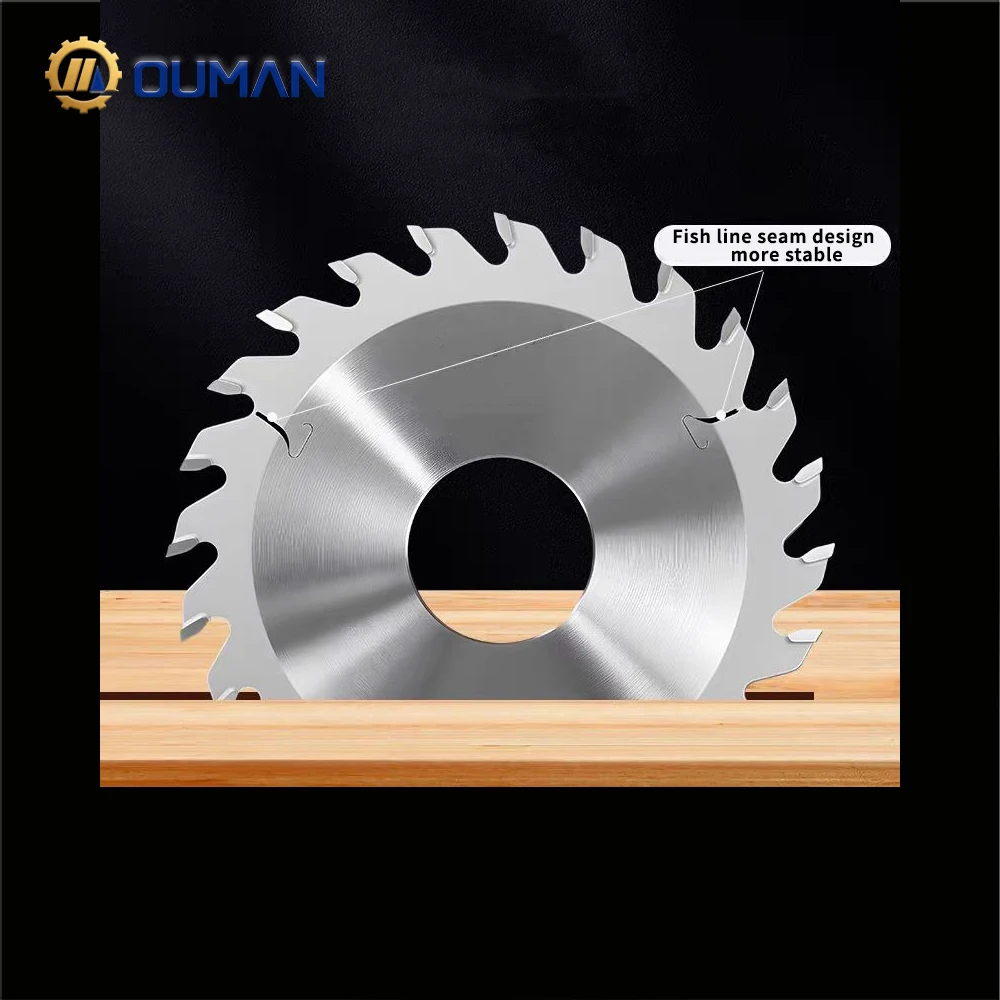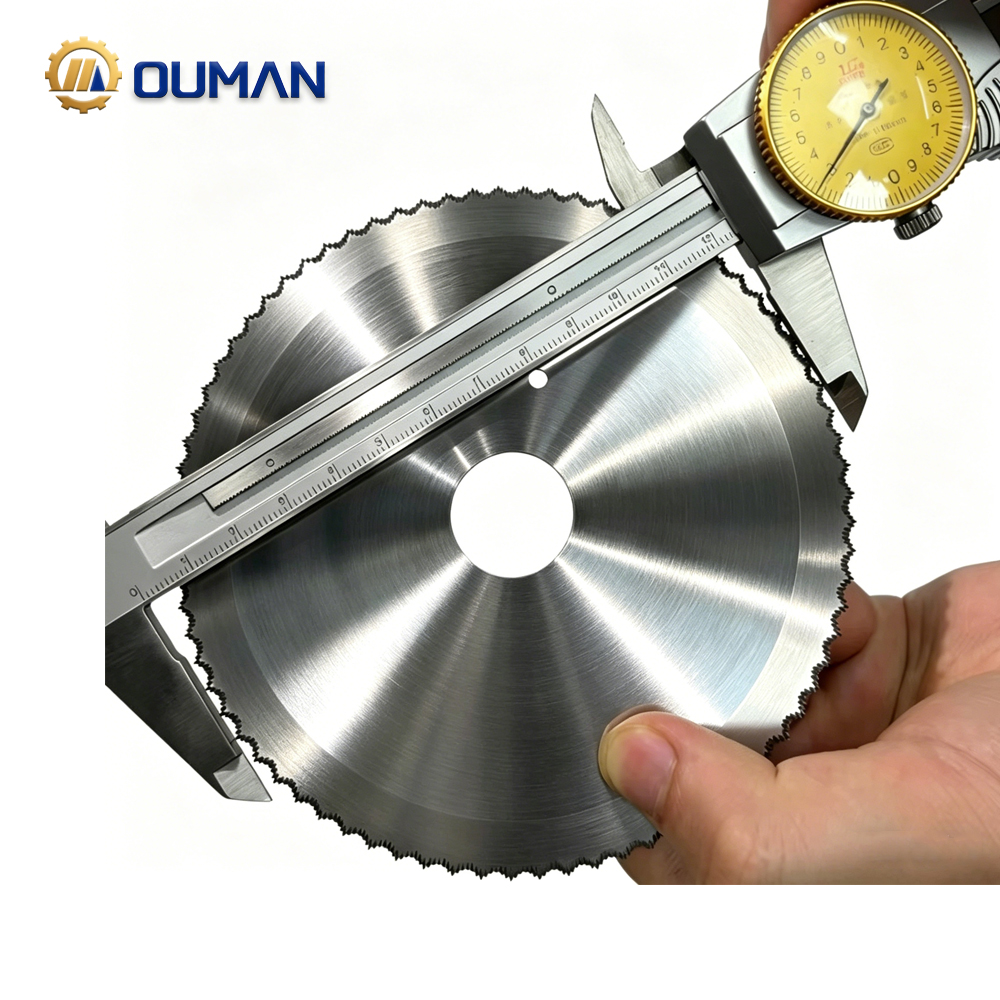
Understanding Saw Blade Types and Their Core FunctionsHow Tooth Geometry Determines Cut Type: Crosscut vs. Rip vs. CombinationTooth geometry is the primary factor dictating how a saw blade interacts with wood fibers. For rip cuts—made parallel to the...
VIEW MORE
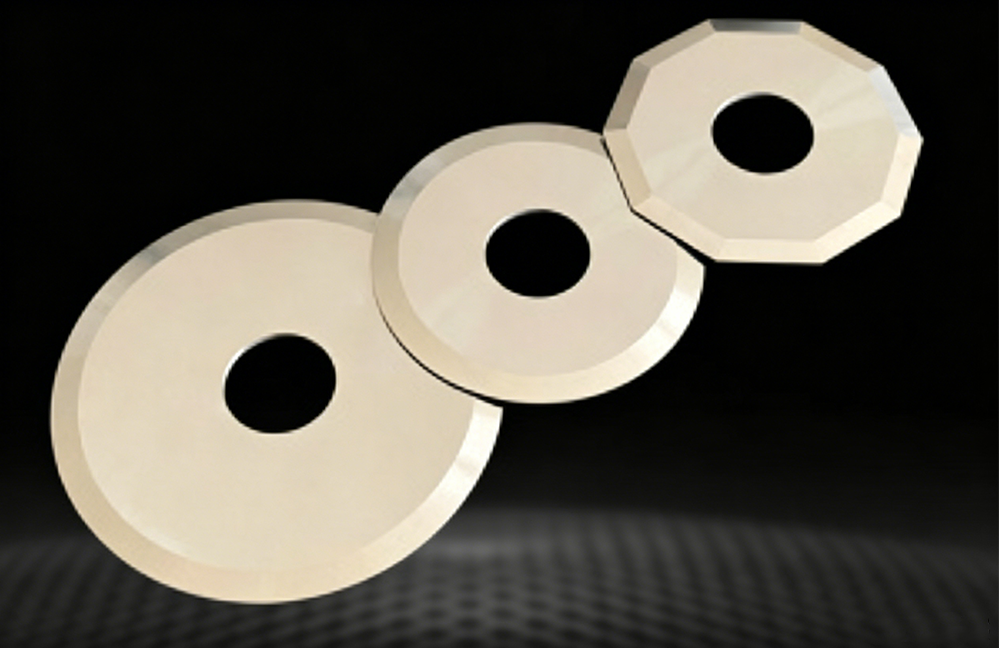
Material Properties: Hardness, Structure, and Edge IntegrityCeramic doctor blades: alumina/zirconia microstructure, Vickers hardness (1,200–1,500 HV), and edge brittleness trade-offsCeramic doctor blades are engineered from a fused matrix of alumina ...
VIEW MORE
Match Machine Knives to Cutting Operation and Machine Type Selecting the right machine knives begins with a clear understanding of the cutting operation and the specific machine platform. Different actions—slitting, cross-cutting, perforating...
VIEW MORE
Core Material Options for Industrial Knives: Tool Steel vs High‑Carbon Stainless SteelEdge Retention, Toughness, and Impact Resistance in High‑Volume DeboningSelecting the right material for industrial knives used in high‑speed deboning lines directl...
VIEW MORE
Key Engineering Features of High-Performance Industrial Blades In modern automated production, an industrial machine knife is far more than a simple sharpened strip of steel. It is a critical component operating under intense mechanical force, high...
VIEW MORE
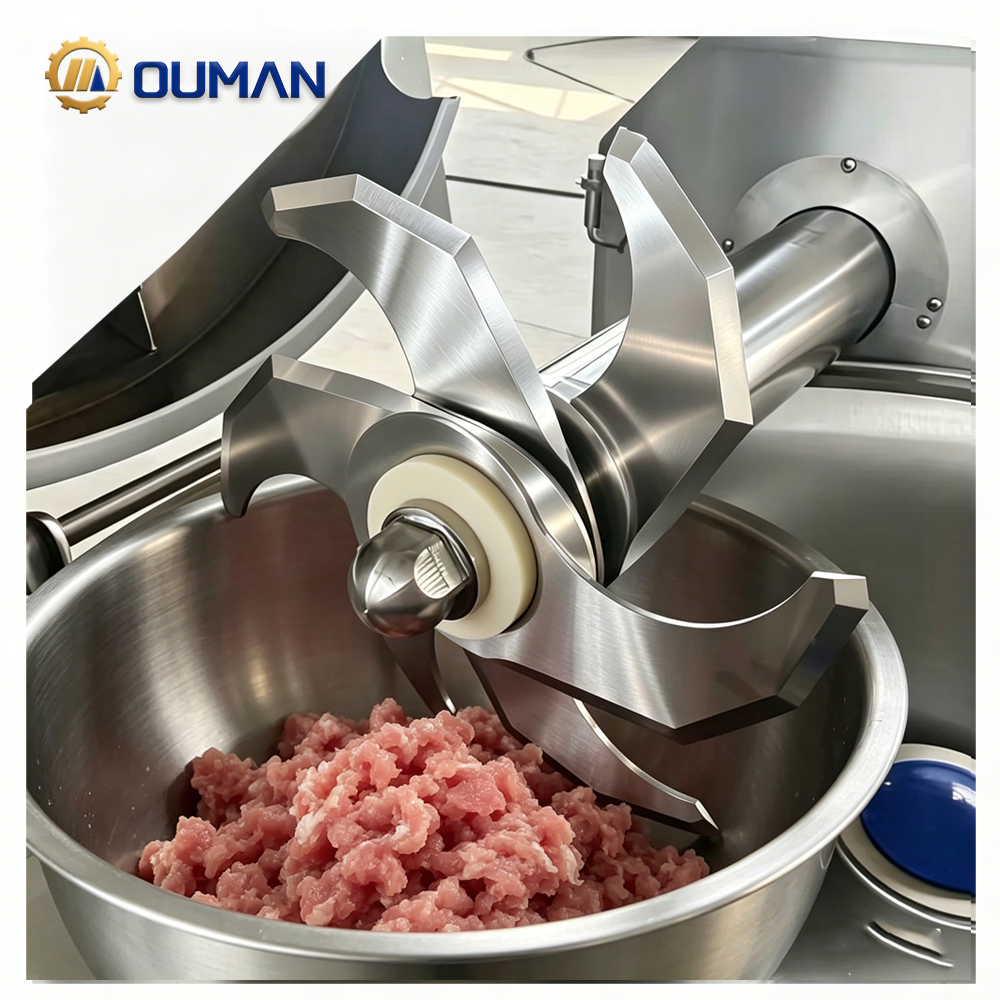
Engineering Guide: Selecting Industrial Blades for Food Processing In commercial food processing, selecting the right industrial machine knife is one of the most critical decisions affecting product yield, operational throughput, and food safety co...
VIEW MORE
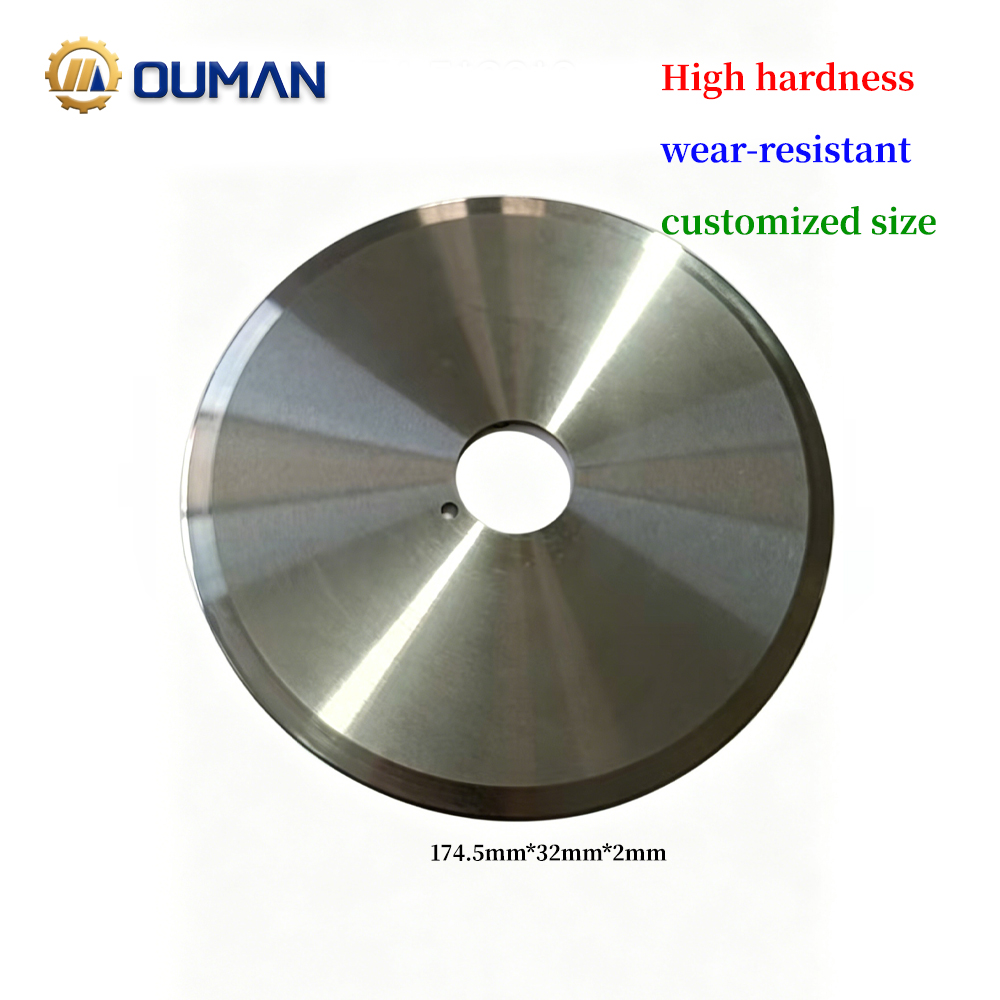
The Engineering Guide to Precision-Ground Industrial Blades In modern high-speed manufacturing, converting, food processing, and packaging operations, an industrial machine knife is far more than a simple piece of sharpened steel. It is a precision...
VIEW MORE
Complete Guide to Industrial Blade Delivery Timelines In industrial manufacturing, food processing, packaging, and converting, blade delivery timelines directly impact production schedules and operational profitability. Understanding the specific fac...
VIEW MORE
Rust and corrosion are among the primary causes of premature failure in industrial machine knives. Moisture, aggressive cleaning agents, high humidity, and organic acids can rapidly degrade high-performance blade alloys, resulting in dull cutting e...
VIEW MORE
The $12,000 Rework – When One Blade Couldn't Handle Two Substrates A flexible packaging converter in Ohio ran a single production line converting both PET film and clay-coated paperboard. The operator used the same carbide blades for both mat...
VIEW MORE
The 4 AM Production Stop – When a Standard Blade Failed A structural steel fabricator in Birmingham was running a night shift on a critical bridge-girder contract. At 4 AM, a standard 14‑inch carbide saw blade fractured mid‑cut, embedding fra...
VIEW MORE
The $7,000 Lesson – When the Wrong Blade Ruined a Production Run A custom fabrication shop in Michigan landed a rush order for 500 laminated composite panels. The shop foreman selected what he thought was a suitable carbide blade from stock&m...
VIEW MORE